
 Many students think a go-around is something you only do if the CFI says so, but it should be your decision. A go-around is a normal, expected maneuver, and deciding early is almost always easier than waiting too long.
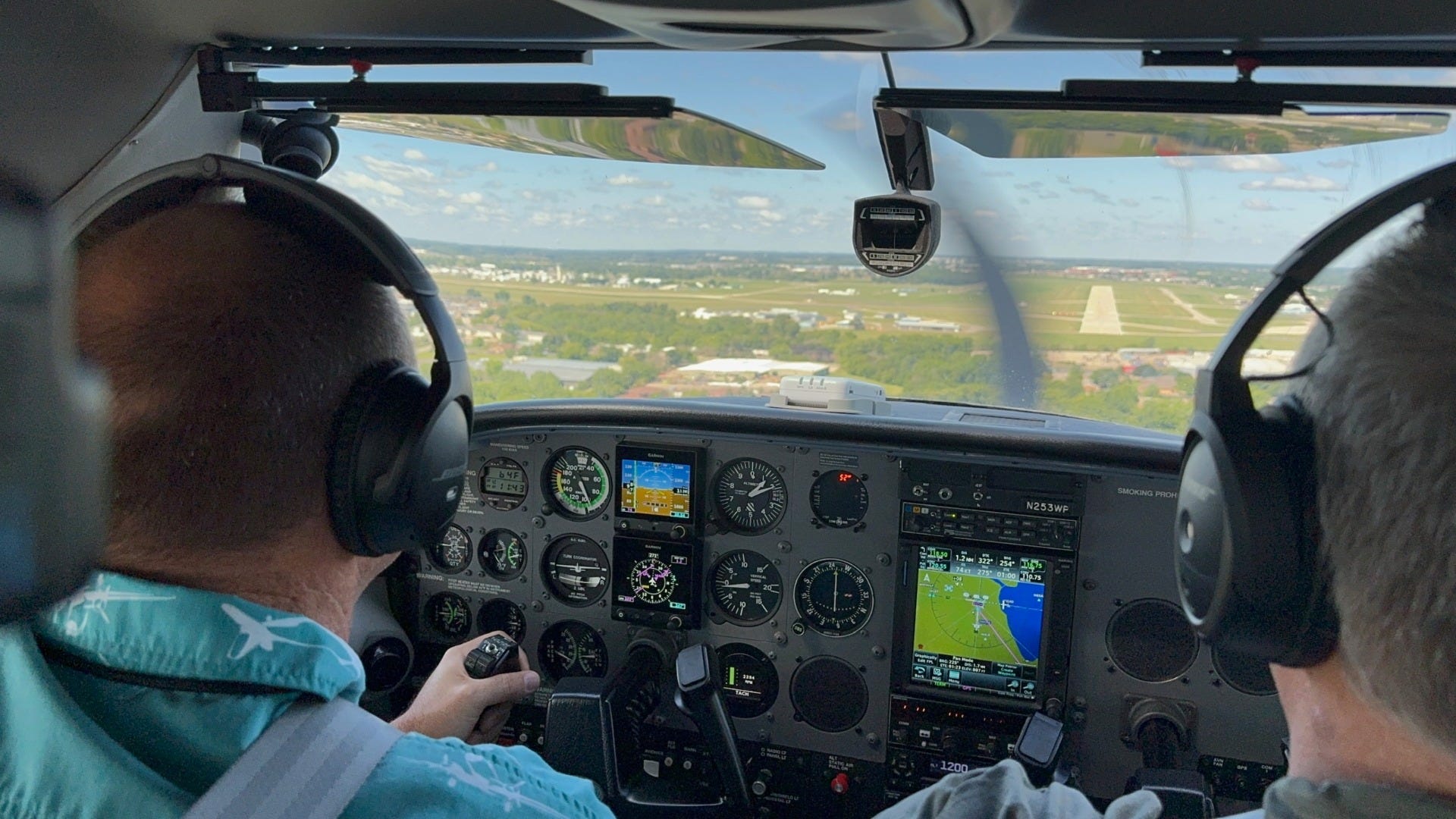
If you’re on final, slightly high, a touch fast, maybe not perfectly lined up, your first instinct is often to try to “fix” it. After all, we don’t want to fail, especially after a good pattern. That’s exactly when you should start thinking about a go-around. Waiting too long usually comes down to ego and fear of “failure” or the hope you can salvage the landing—and that’s when things get tricky.
Here are three simple cues to guide the decision:
1. Unstable approach – Speed (too fast or slow), off glidepath (high or low), or misaligned with the runway (left or right).
2. Running out of runway– Too much energy over the threshold, leading to float.
3. Loss of control or comfort – Large control corrections, stubborn crosswind, or that internal ‘this isn’t right’ feeling.
From an instructor’s perspective, we often recognize the need for a go-around before the student does. Those few seconds of delay can make the difference between a safe landing and a stressful—or worse, dangerous—one.
Remember: if you’re debating it, you’re probably already there. A go-around is a sign of good judgment, not poor skill. It’s always an option and almost always easier earlier than later.