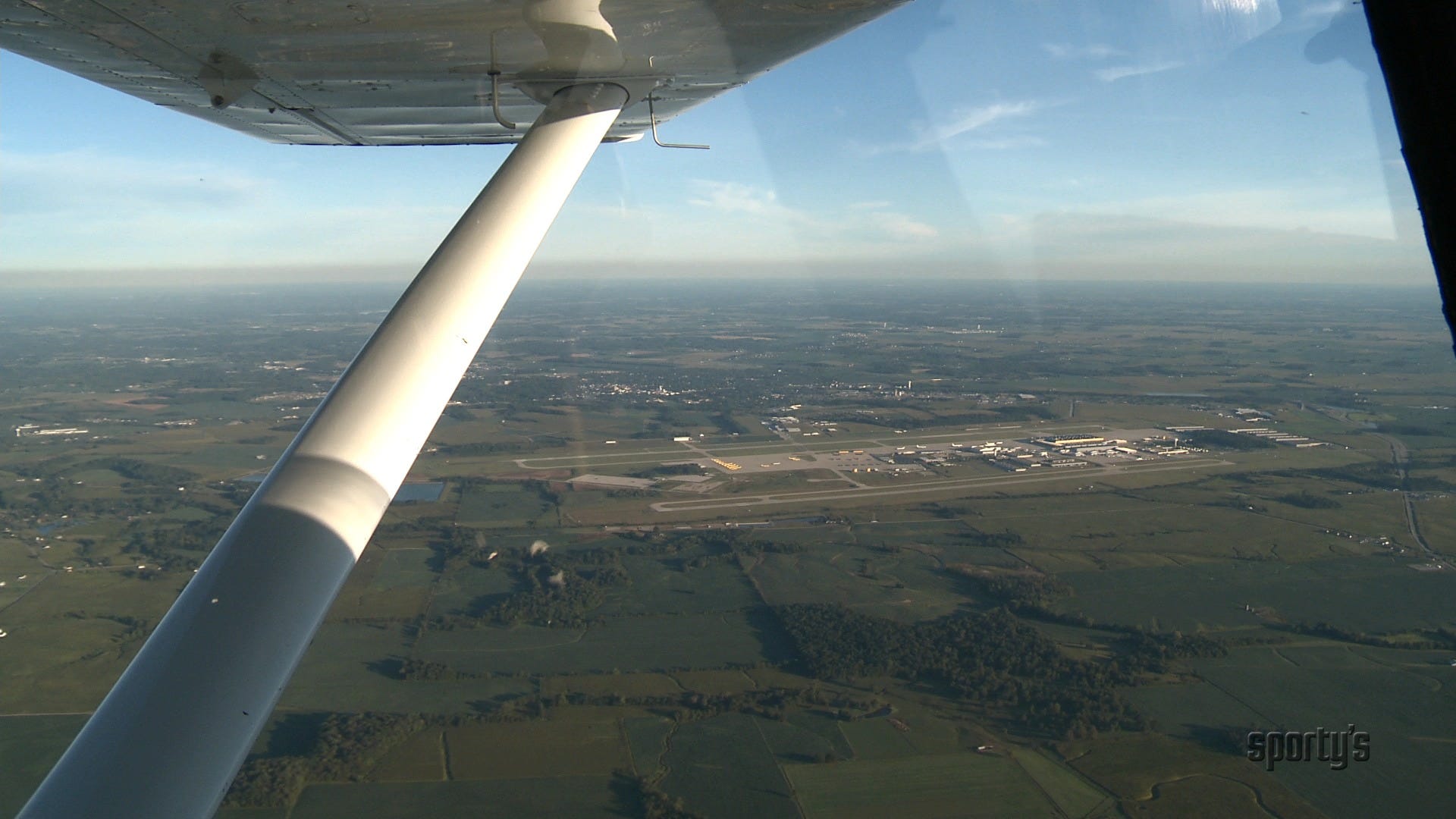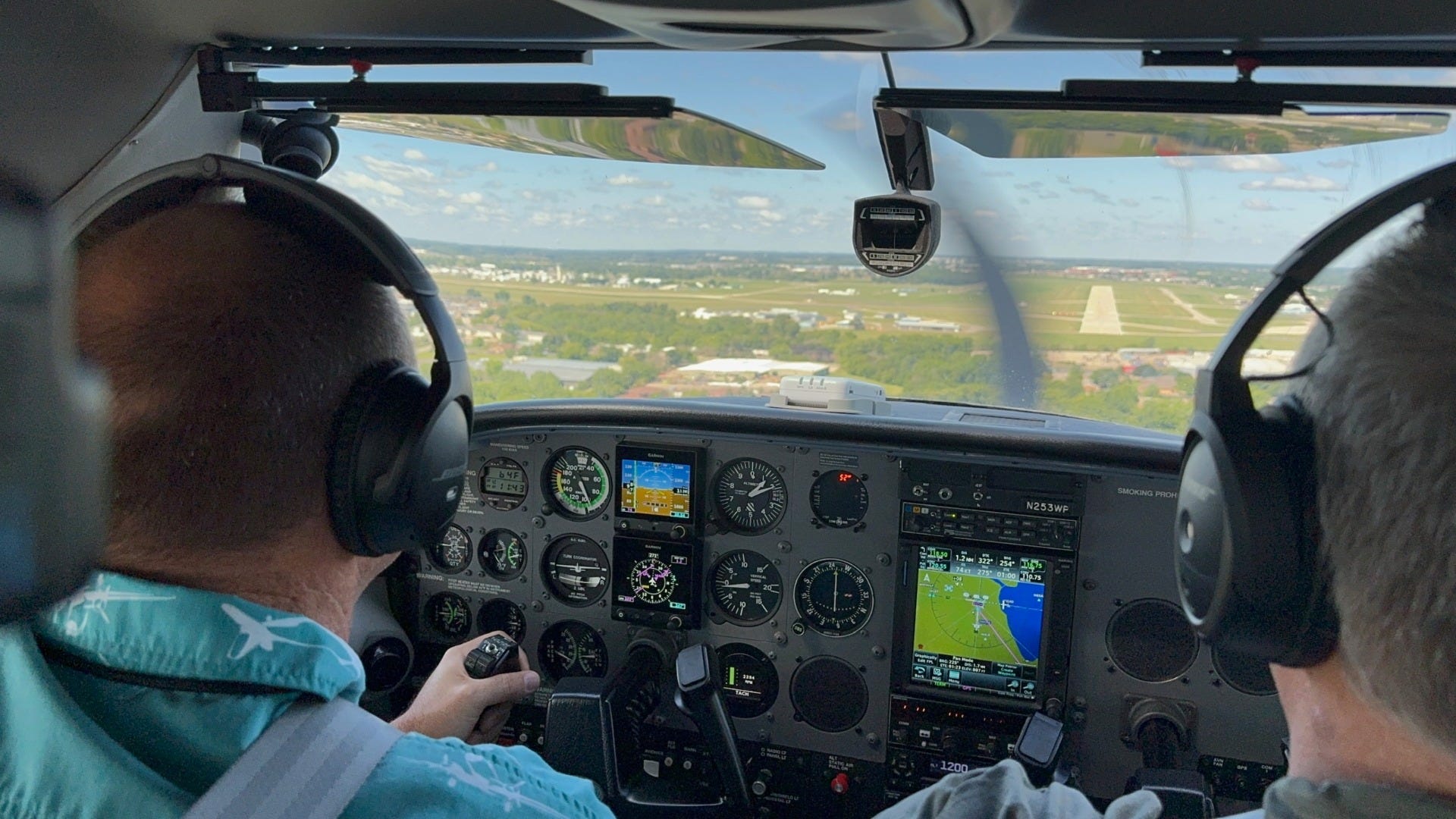

Let’s be honest—these days, the only reason most of us would get lost in the air is if our iPad died (and we forgot the charger) or it overheated halfway through the flight. Even with GPS and moving maps, it can happen. And when it does, it’s surprisingly easy to feel a little helpless.
The key is to stay calm, rely on your remaining tools, and follow a logical plan.
 1. Fly the airplane first.
Keep the aircraft under control and maintain a safe altitude. Your first priority is always flying the airplane.
2. Try to pinpoint your location.
- Look for landmarks…roads, rivers, cities, airports, etc.
- Check your sectional chart or panel-mount GPS if available.
- Use VORs to navigate or crossing radials for an approximate position.
3. Communicate.
- Let ATC know you’re unsure of your position. They can provide vectors or guidance which is another reason to take advantage of VFR flight following when available.
- Asking for assistance on the emergency frequency (121.5) can also alert other pilots or even a nearby ATC facility for help.
4. Use your cell phone.
If you are at an altitude where coverage is available, use your favorite maps app like Google or Apple to identify your position or even a call to your CFI can be helpful.
5. Divert if needed.
If weather, fuel, or nightfall is approaching, pick the nearest airport and land. It’s always better to land safely than to continue flying lost.
Even in the digital age, getting lost can happen. Staying calm, using your tools, and communicating are your best friends when it does.