
Short answer: task saturation caused by poor anticipation.
From a CFI’s perspective, most pilots fall behind because they’re reacting instead of staying ahead.
Long answer:
Whether it’s a student or a seasoned pilot accomplishing a flight review, the pattern of getting behind the airplane is remarkably consistent. Things are going fine until multiple small tasks pile up at once. By the time the pilot notices, they’re already chasing airspeed, altitude, or the automation.
Common examples CFIs see:
- Accomplishing checklist items after the airplane is already moving
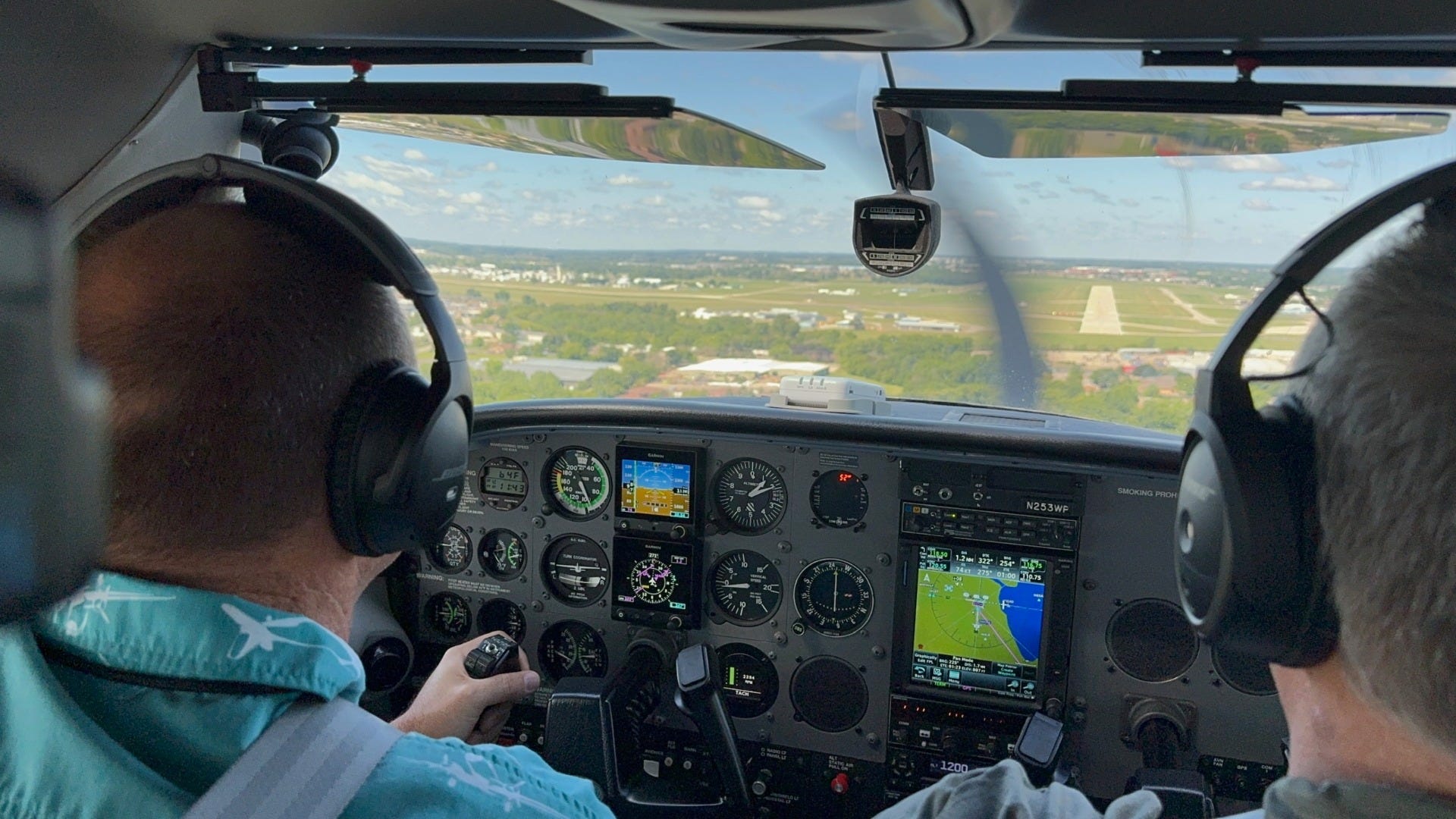
- Programming avionics/iPad instead of flying the airplane
- Briefing a maneuver or approach late or skipping the brief altogether
None of these are dramatic errors on their own—but together, they overwhelm the pilot’s mental bandwidth.
Most pilots can handle a busy cockpit if tasks are spaced out. Trouble starts when too many decisions are deferred until the last minute. When everything becomes urgent, nothing gets done well.
CFIs coach pilots to stay ahead of the airplane by:
- Verbalizing the plan—what are we going to do and when
- Accomplishing tasks early when workload is low
- Using automation strategically, not reactively
- Prioritizing aviate–navigate–communicate, especially when things get busy
Getting behind the airplane happens to everyone. The best pilots—and instructors—aren’t immune to it. They’re just quicker to recognize it and slow things down before it snowballs.