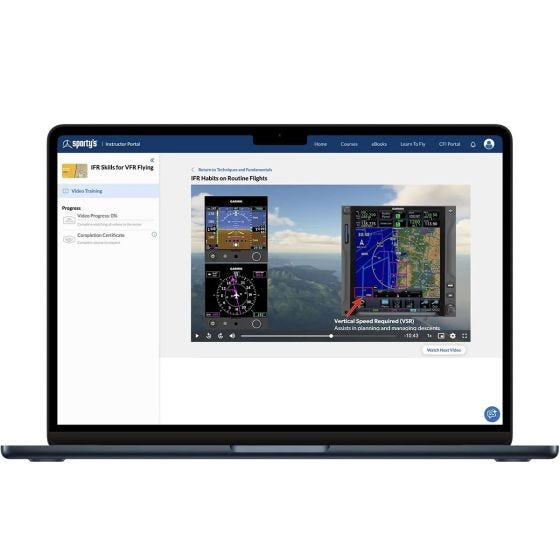
Pilot Workshops IFR Skills for VFR Flying Course
In stock
Backordered
Course Overview
You don’t need an Instrument Rating to understand the simplified concepts Ryan teaches in this course. The focus is purely on VFR flying. He “borrows” specific habits and techniques from IFR flying and shows you how to use them for additional protection, situational awareness, comfort, and control when flying VFR.
Techniques & Fundamentals
These videos will introduce you to the IFR techniques that are most applicable to VFR flying. You’ll learn new habits, new ways to reduce your workload, and new ways to use these tools in your cockpit.
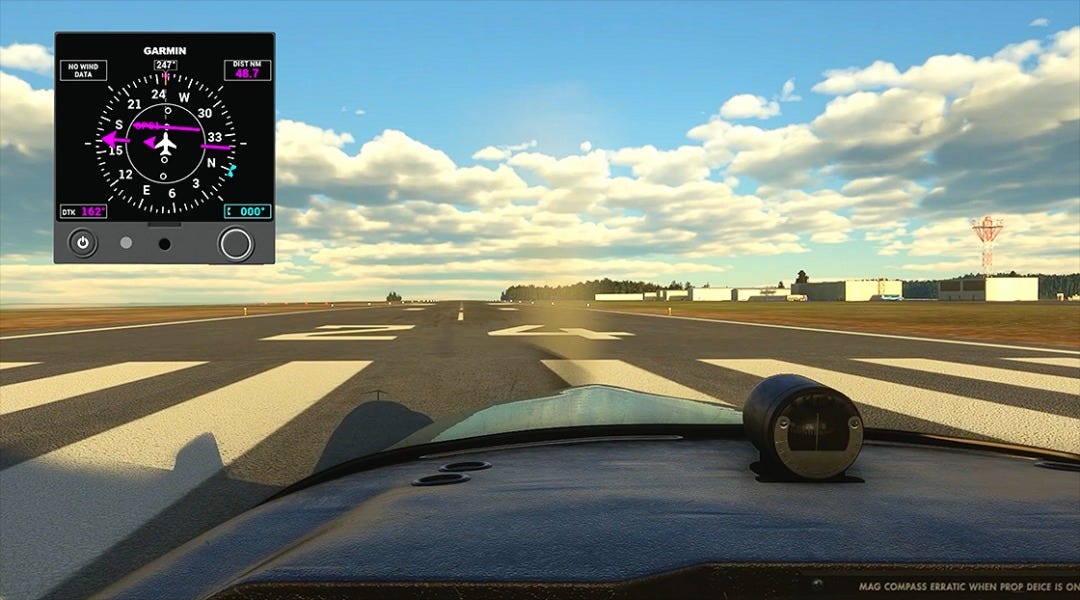
IFR Habits on Routine Flights
26 minutes
Thinking like an IFR pilot offers advantages, even on a short VFR flight in great weather. We’ll show you how to reduce your workload–and avoid surprises–by incorporating some simple techniques into your routine.
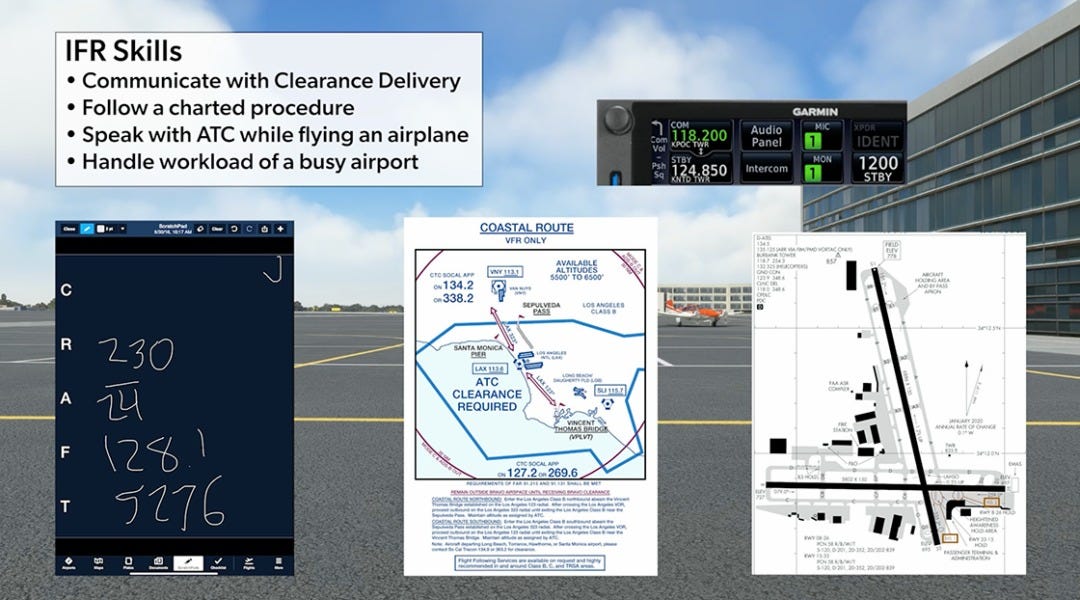
ATC and Workload Management
23 minutes
Flying VFR in complex airspace requires many of the same planning, workload management, and communication skills instrument pilots need when flying under IFR. Learn to transition busy airspace with less stress.
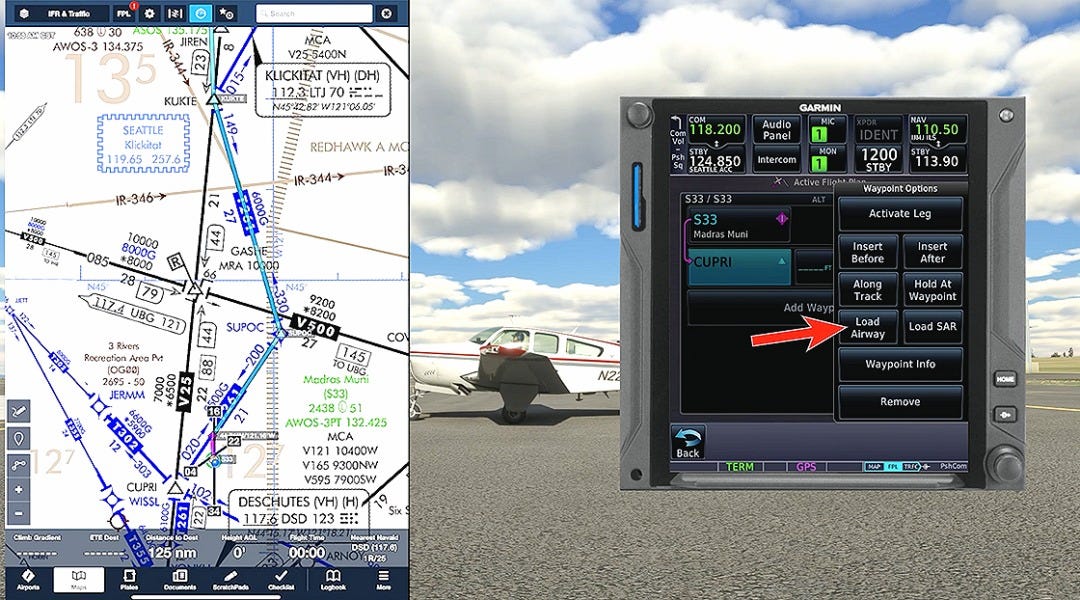
IFR Techniques for Routes and GPS
20 minutes
GPS Direct may be the shortest route, but it isn’t always best (even on a VFR day). Finding the best altitudes and routes on both VFR and IFR charts, and using creative GPS techniques, can make a VFR flight more comfortable.
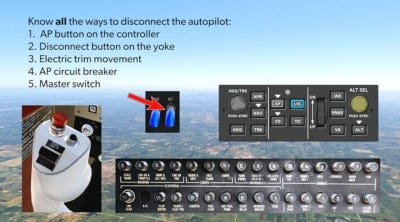
Autopilot as a Crew Member
12 minutes
IFR pilots know that using an autopilot is essential for reducing workload and focusing on the other important tasks in a flight. An autopilot is valuable for VFR flying too–if you understand how to best use it.
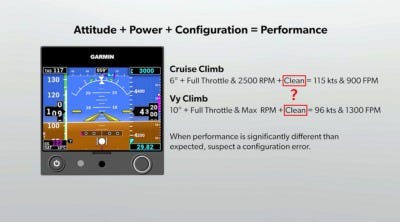
Flight Instrument Survival Secrets
17 minutes
A surprising encounter with IMC can be disastrous—even for an IFR pilot. Learning an instrument scan that’s simple and deliberate can help you escape a deadly situation (and fly more precisely on every flight).
Borrowed IFR Procedures In Practice
These scenario-based videos demonstrate how elements from IFR procedures can be used to reduce risk on VFR flights.
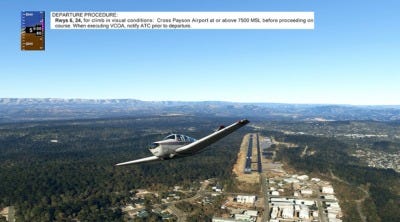
Spiraling Up over Payson, AZ
14 minutes
A seemingly simple VFR spiral climb over an airport surrounded by higher terrain or obstacles can contain hidden traps. But if you know how to find–and leverage–aspects of a published IFR Visual Climb Over Airport (VCOA) procedure, much of the work is already done for you.
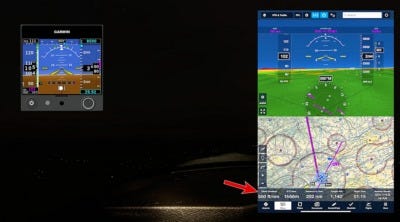
ATC and Workload Management
14 minutes
Making a VFR departure at night is less daunting when you’re confident you’ll clear any obstructions. Consulting an IFR Obstacle Departure Procedure (ODP) while planning your departure route can make the task much easier, and give you peace of mind.
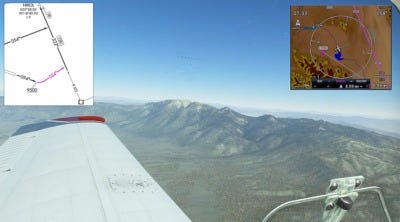
Combination Climb at Mammoth Lakes, CA
16 minutes
A typical VFR departure from the heart of the Sierra Nevadas might follow roads and lakes. An IFR Obstacle Departure Procedure (ODP) plots a more conservative route. Combining elements from both techniques gives you greater flexibility and reduced risk.
Black Hole Arrival at Gallup, NM
12 minutes
When making a VFR arrival at night you need a bulletproof strategy. Understanding the safe altitudes on both VFR and IFR charts, and knowing how to use technology for increased situational awareness, can help you descend with confidence.
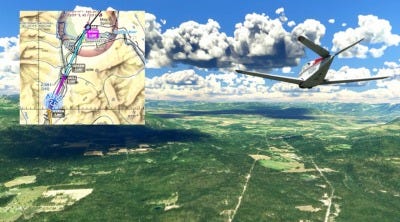
Safe Stepdowns into Bonners Ferry, ID
16 minutes
If you’ve flown in the mountains before, it can be challenging to fly to an airport nestled in a valley–even on a VFR day. But borrowing elements from an IFR approach procedure makes it a more comfortable arrival, and provides known safe altitudes all the way down.
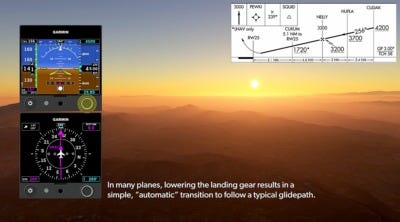
Vertical Guidance into Oxnard, CA
10 minutes
Flying VFR directly into the setting sun (or other reduced visibility situations) can be challenging. Using an IFR procedure for additional guidance during the descent can supplement pilotage, and ensure you arrive safely at the right altitude approaching the correct airport.
Bonus Videos
These videos taken from other PilotWorkshops courses will reinforce your understanding of how IFR techniques can enhance your VFR flying. You’ll see them in action in the real world, and apply what you’ve learned in realistic decision-making scenarios.
Bonus: Performance Profiles
18 minutes
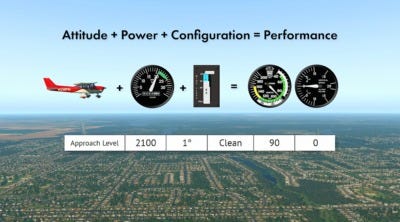
Attitude + Power + Configuration = Performance. The best IFR pilots know these numbers for each phase of flight, and how changing one will impact the others. But creating and using “performance profiles” improves VFR flying too. You’ll be smoother, more precise, and more consistent.
Bonus: Departing Montpelier, VT
23 minutes
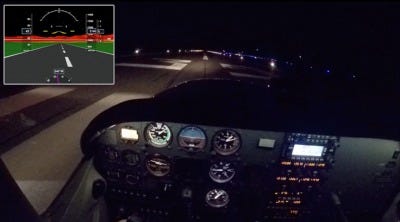
Departing a non-towered airport on a dark and gusty night can be challenging. But drawing on an IFR technique provides protection from the surrounding terrain and reduces the risk. Planning and preparation help ensure a safe outcome.
Bonus: The Hills are Out There
12 minutes
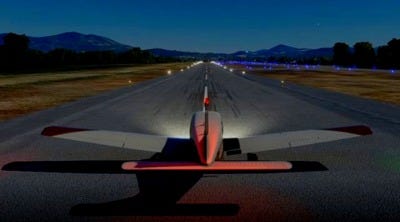
In this scenario video, a pilot without an instrument rating—but with some instrument training and knowledge of procedures—is concerned about potential traps when departing VFR at night. Would it be wiser to use a ‘bit of IFR’ to make a safe departure, or rely on pure VFR experience plus a moving map?
Bonus: IMC in VFR to Carlsbad, CA
19 minutes
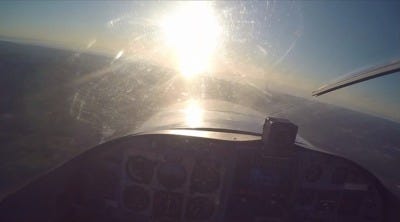
Requesting a Localizer/DME approach at the end of a flight down the California coast seems like a fun way to practice some IFR skills. That decision really pays off when VMC quickly turns into IMC due to the sun setting on final approach.
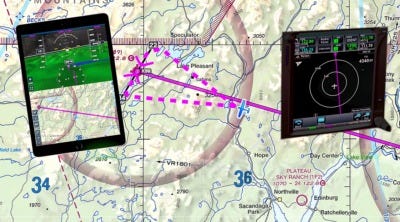
Bonus: Adirondacks After Dark
13 minutes
In this scenario video, the pilot is making a familiar short flight, but all of the previous trips were in the daytime when the hills on both sides were easy to see. Now a moonless night adds a substantial level of uncertainty. Is cockpit technology just the fix to make a safe approach in the dark?
Sample Video
A seemingly simple VFR spiral climb over an airport surrounded by higher terrain or obstacles can contain hidden traps. But if you know how to find–and leverage–aspects of a published IFR Visual Climb Over Airport (VCOA) procedure, much of the work is already done for you.
Meet Your Instructor
Ryan Koch
CFII, Director of Product Development
Ryan is responsible for the design and development of our new online training courses and pilot-friendly manuals, and oversees the course development team. He is also an active flight instructor specializing in instrument flight, is a flight simulator expert, and has experience doing remote flight instruction via simulators.
Ryan was the driving force behind the development of several PilotWorkshops online courses, including Instrument Rating Accelerator, IFR: The Missing Lessons, Garmin GTN: Next Level, and Advanced IFR. Ryan is also a contributing expert for PilotWorkshops’ IFR Mastery series and is a regular participant in the Instructor’s Roundtable. He teaches ground schools, runs ATC communications courses for both IFR and VFR pilots, and has developed curriculum for a variety of IFR proficiency programs, and a simulator-centered high school aviation program.

Frequently asked questions
Your training is available online via a secure, password-protected website. You can watch it on any computer, tablet, or phone.
No. Once you register your login credentials, they will never expire. You will always have access to the program.
Yes, with your online access you have the option to download the videos in the program.
Yes, with your login info, you can access the site from any device as often as you want for personal use.