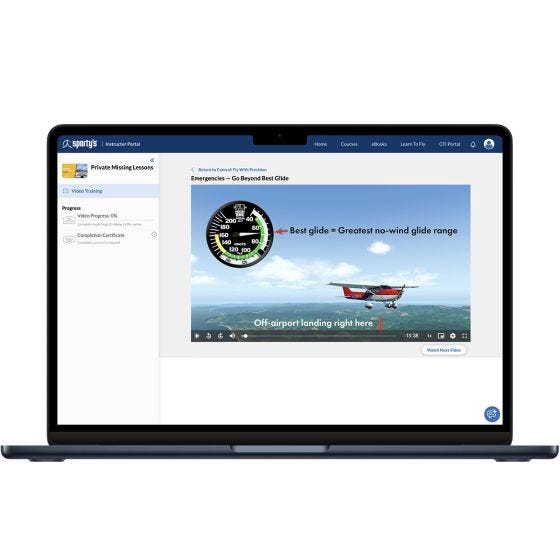
Pilot Workshops Private Pilot: The Missing Lessons Course
In stock
Backordered
Course Overview
Triumph Over Challenging Airports
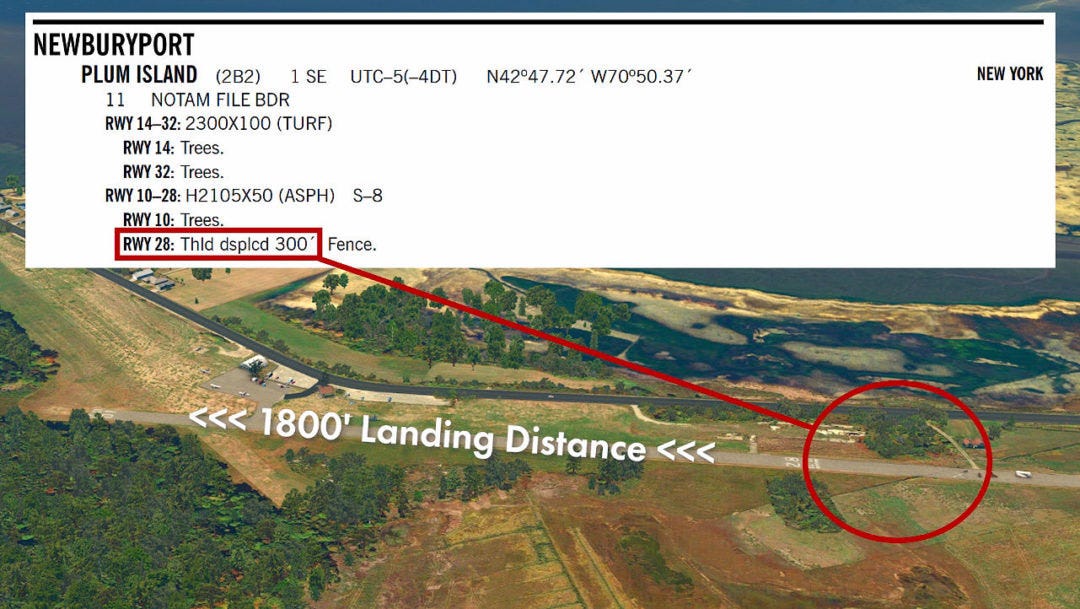
Planning for Challenging Airports
22 minutes
Flights to and from airports with non-standard elements put most private pilots out of their comfort zone. These flights require more upfront planning to remove uncertainty, which we’ll show you here.

Obtaining Local Knowledge
14 minutes
Sometimes the best way to learn about a particular airport is to pick up the phone and ask. Here’s who you can call, what you should ask, and the details that will help your planning. This is a horribly underutilized and invaluable pilot resource.
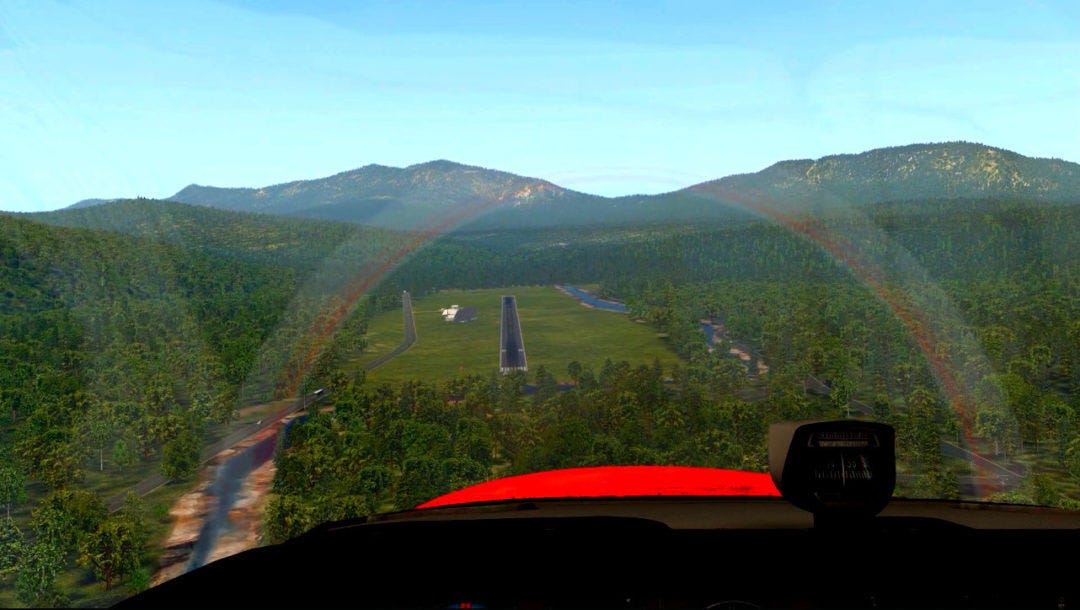
Plum Island (2B2) to Carrabassett (B21) — Flight
14 minutes
Depart from a short, obstructed field with an unusual runway layout to a mountain airport where using a non-standard pattern makes the arrival easier. We put our planning and local knowledge to good use here.
Fly With Greater Precision
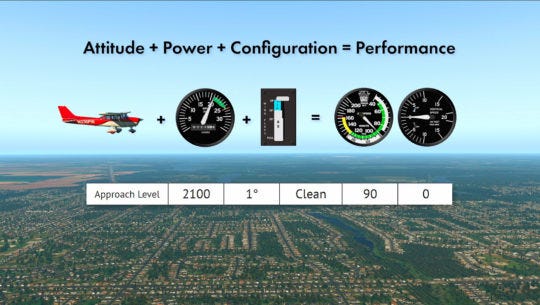
Performance — Find the Numbers
18 minutes
Attitude + Power + Configuration = Performance. The best instrument pilots know the importance of these numbers, and how changing one will impact the others. These concepts apply to visual flying as well. They can make VFR pilots smoother and more efficient once mastered.
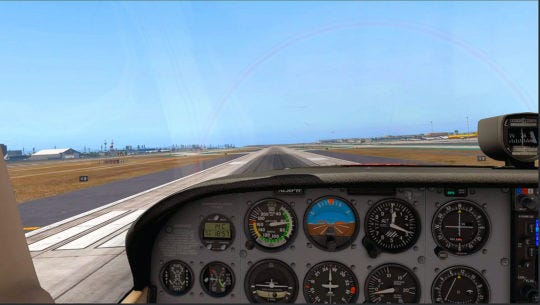
Landings — Expand Your Crosswind Envelope
15 minutes
It’s no secret that many private pilots are uncomfortable with crosswinds. What seems like an issue with physical coordination comes from an incorrect or incomplete understanding of the concepts. We’ll cover common mistakes and practical fixes in this video.
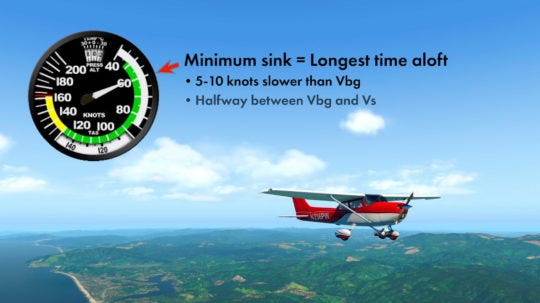
Emergencies — Go Beyond Best Glide
16 minutes
Engine failure scenarios are a major part of Private Pilot training, however the standard drill leaves out some important items. We’ll clear up any confusion and provide a new perspective on the best way to manage the most common in-flight emergencies.
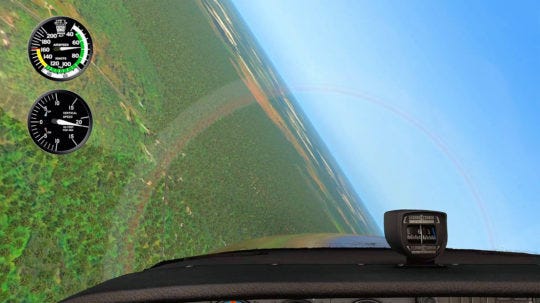
Prevention — Stall and Spin Survival
13 minutes
There are just too many stall/spin accidents in the General Aviation record. What pilots often misunderstand is where and why they happen in the real world. We’ll discuss the phase of flight where most stall/spin accidents occur and why (it may surprise you).
Master the Magenta Instead of Following It
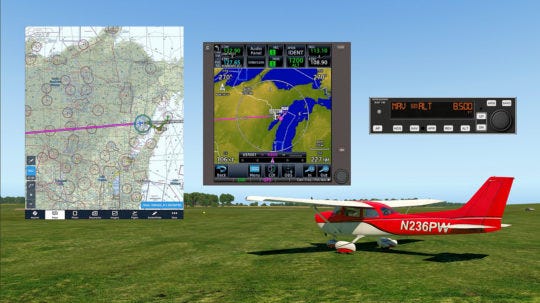
Planning that Leverages GPS and Other Tech
8 minutes
Private Pilot fundamentals like manual calculations, nav logs, and dead reckoning are useful skills. However, omitting new technology (GPS, iPad apps, and autopilot) is as bad as using it as a crutch. We show you how to integrate technology without relying on it, both on the ground and in the air.
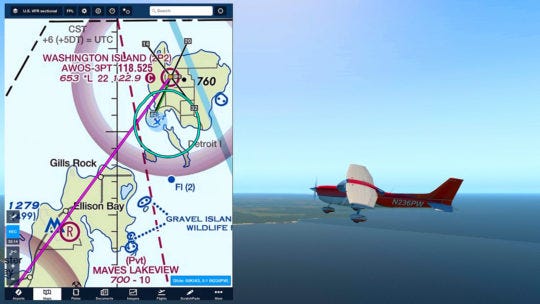
Washington Island (2P2) to St. Paul (KSGS) — Flight
29 minutes
On this flight, we use a combination of new and old school techniques to minimize the risk associated with an overwater flight. Enroute, we demonstrate GPS tips and tricks you might be missing. On arrival, we use a combination of pilotage, ForeFlight, and GPS descent planning to thread our way beneath a Class B shelf and beside two Towered airports with minimal stress and maximum efficiency.
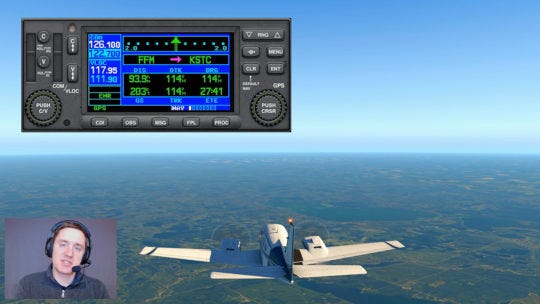
High-Performance Descent Planning
8 minutes
One of the many things pilots struggle with when transitioning to higher performance airplanes is descent planning. To illustrate this, we make a flight in a Beech Baron and show the keys to getting down smoothly and safely in a high-performance airplane.
Navigate and Communicate Like a Pro
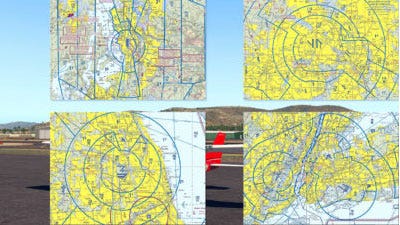
Crossing Multiple Airspace Types – Briefing
19 minutes
In this section, we’ll make a three leg trip through some of the busiest, most complex airspace in the US. This is a deep dive into techniques and technologies you can use anywhere to research, brief, and fly through busy airspace.
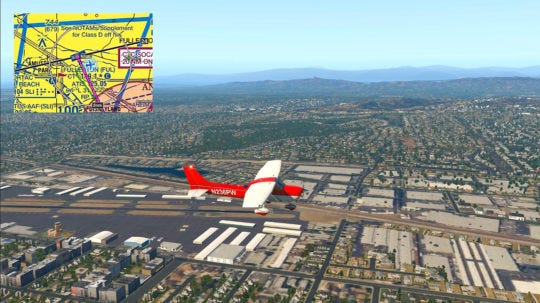
Gillespie (KSEE) to Fullerton (KFUL) — Flight
24 minutes
When you first look at this flight, you might think this airspace is a mess. And you wouldn’t be wrong. We deal with two different Class Bravo areas leaving San Diego, multiple Restricted Areas enroute, descend under a bustling Class C shelf while approaching the LA Basin, and finally cross the Disneyland TFR before arriving at a busy Class D airport directly below the LAX Bravo.
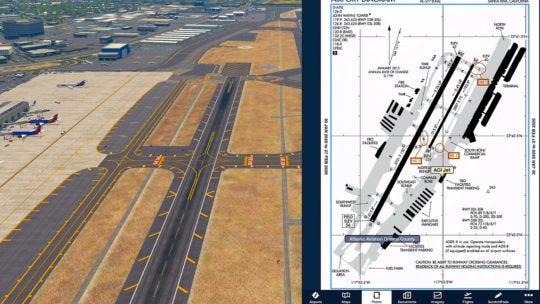
Short, Busy Flights – Briefing
4 minutes
Sometimes short flights can be the toughest, especially in busy airspace. This flight is a short hop through a high traffic area: from Fullerton to John Wayne—only 13 miles away. See how a little extra planning and chart knowledge can help keep task saturation at bay.
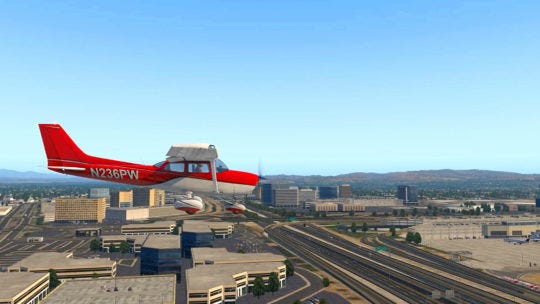
Fullerton (KFUL) to Santa Ana (KSNA) — Flight
12 minutes
We use old school techniques and new technology to navigate this highly congested airspace. First, we follow the freeway east after takeoff, then get turned direct after contacting departure. We use a few GPS tricks enroute for situational awareness, and have to manage an ATC frequency that is humming with activity. Finally, we are rewarded with an uneventful arrival to the Class C airport.
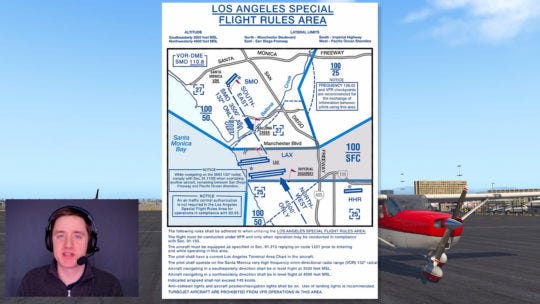
Options for Class Bravo Transitions – Briefing
5 minutes
Many pilots avoid flying over, under, through—or even near—Class Bravo airspace. But often the best destinations are near these busy terminal areas. Here, we review the Flyway charts for the Los Angeles area and show you how published transitions can make transiting these areas easier and less stressful.

Santa Ana (KSNA) to Burbank (KBUR) — Flight
25 minutes
This flight is a handful from takeoff until engine shut down. Departing a busy Class C airport, following vectors and then using radials to follow the published transition over LAX, monitoring busy radio frequencies, and finally landing at Burbank. Just another day flying in the LA basin.
Avoid Hazards in the Dark
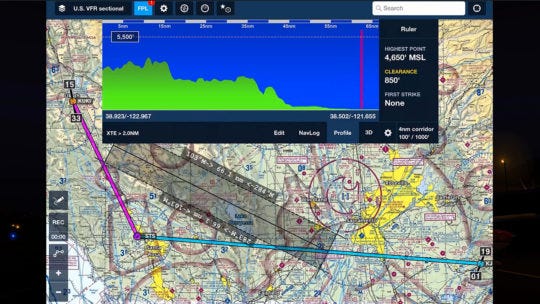
Route Planning At Night
11 minutes
Flying at night is statistically more dangerous than daytime flying. But we’ll show you how some additional planning, basic IFR techniques, and modern cockpit technology can help you reduce the risk and enjoy the many rewards night flying has to offer.
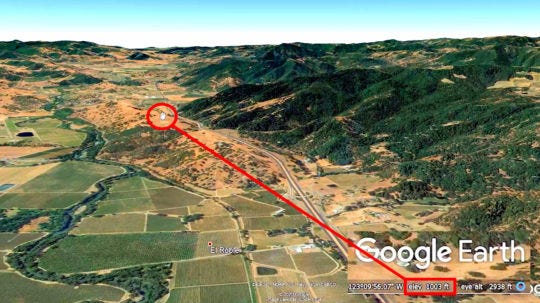
Departing & Arriving at Night
15 minutes
At night, hazards and obstructions really come into play during the departure and arrival phases of flight. Because you can’t see them, it becomes important to form a clear mental picture of the lay of the land. We’ll show you how traditional tools and new technology can give you the information you need to avoid these unseen hazards.
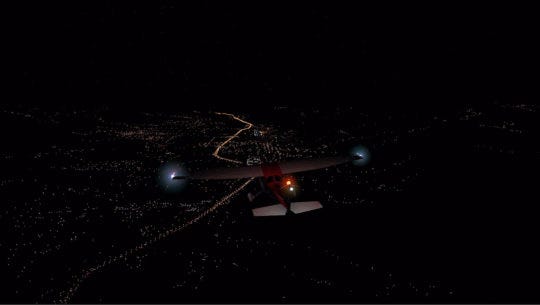
Ukiah (KUKI) to Jackson (KJAQ) — Flight
30 minutes
We use an IFR technique on departure to avoid the dark hills, then use GPS and ForeFlight to closely monitor our progress and plan our descent. Because we’re fully prepared, we’re able to manage a few minor distractions and trouble contacting ATC due to radio congestion. Enjoy this beautiful night flight.
Scud Run with Smarts
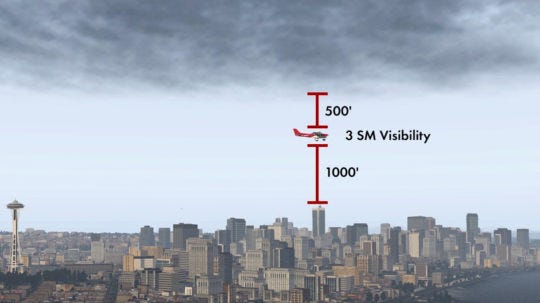
Managing Marginal Weather
16 minutes
Scud running and VFR into IMC are leading causes of fatal accidents in General Aviation. However, you don’t want to cancel every trip that might have a weather issue. This video will help you better understand what kind of weather is manageable, and give you the tools to stay safe.
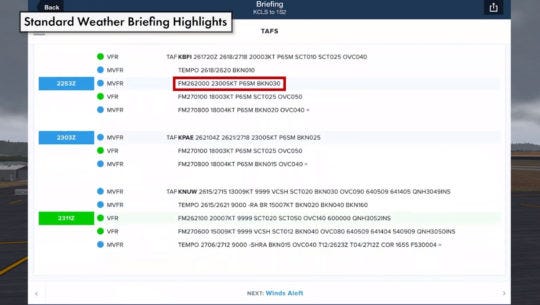
Centralia (KCLS) to Darrington (1S2) – Briefing
12 minutes
This 100 nm flight features interesting airspace, terrain, and weather that is forecast to be marginal VFR. We use a variety of techniques to plan a route that avoids weather and provides outs, if needed, along the way.
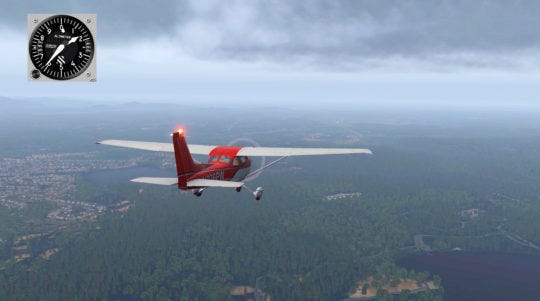
Centralia (KCLS) to Darrington (1S2) — Flight
16 minutes
On this trip, the weather deteriorated more than was forecast, requiring a new plan. We had set key decision points into our route which made it easy to land short of our intended destination, then finish the last leg later in the day when things improved.
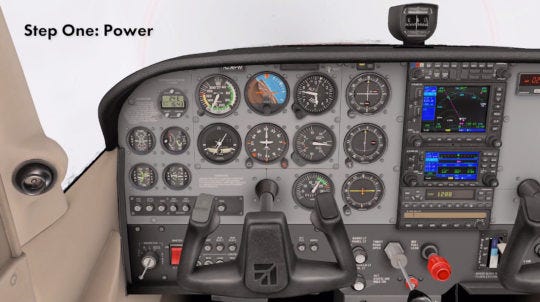
Surviving VFR into IMC
17 minutes
The goal, of course, is to avoid inadvertent IMC encounters, but Private Pilots should develop solid instrument skills so that if it happens, it doesn’t end in disaster. Here we review the simple techniques you can use to get out of IMC safely.
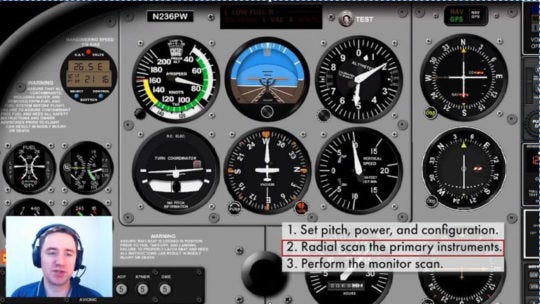
Secrets of the Effortless Instrument Scan
21 minutes
An instrument scan can be a lifesaving skill for even VFR pilots. A solid instrument scan is more science than art. It’s using specific instruments and relationships to reveal specific information. The details are slightly different for traditional gauges or a glass panel, so we cover both.
Master Long-Range VFR
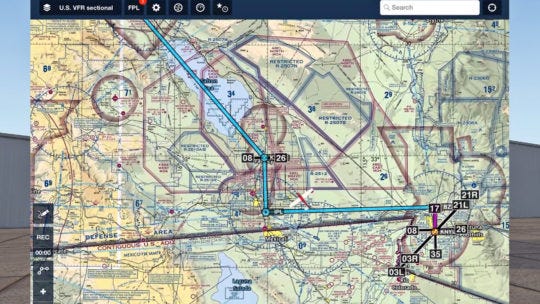
Planning Several Days in Advance
20 minutes
When planning a long flight, it’s best to get a jump on it well in advance. We start by looking at fuel requirements, possible legs, and fuel stops. Then analyze terrain and airspace along the route and adjust as needed. Finally, we research the airports we’ll be using and build our expected flight plan in ForeFlight.
Analyzing Weather Three Days Out
10 minutes
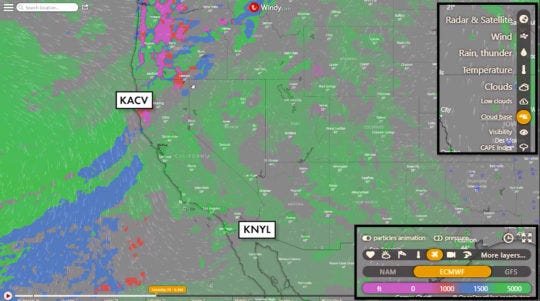
A few days out, it’s time to start monitoring the weather forecast along the route and make any changes to our plan. We’ll look at Windy.com, a new long-range planning tool, as well as other more traditional online weather tools to get a complete and accurate picture of what we can expect.
Yuma (KNYL) to Arcata (KACV) – Briefing
9 minutes
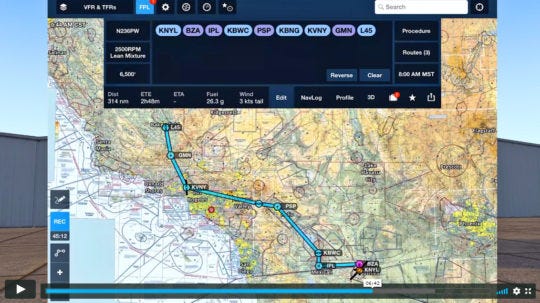
The morning of our flight, we make a final check of the ceilings, visibility, and winds aloft along our route. The last leg might be in jeopardy due to lower weather, but things are forecast to improve later in the day so we’ll launch and monitor things enroute. Even so, we’ll have a solid Plan B just in case.
Yuma (KNYL) to Arcata (KACV) – Leg 1
9 minutes
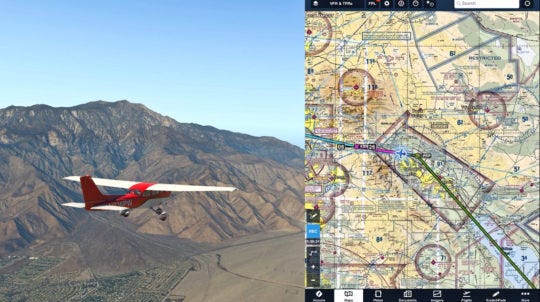
After departure, we adjust our altitude to take advantage of favorable winds aloft and end up with a higher tailwind than expected. Because we’re ahead of schedule, we use technology airborne to evaluate moving our planned fuel stop to a point further along our route. With this change, we might be able to make the flight in two legs rather than three.
Yuma (KNYL) to Arcata (KACV) – Leg 2
8 minutes
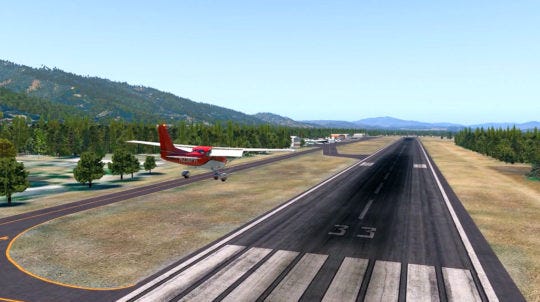
By seizing the tailwinds and extending our first leg, we now have only 306 nm or 2:51 flying time remaining. This should allow us to reach our destination non-stop with plenty of fuel reserves. However, the weather does not cooperate, forcing us to change our plan.
Sample Video
Ryan uses a slick feature in ForeFlight to plan his descent into a non-towered airport that’s directly beneath the Minneapolis Class Bravo, then utilizes GPS and autopilot to fly a smooth descent while skirting this complex airspace.
Meet Your Instructor
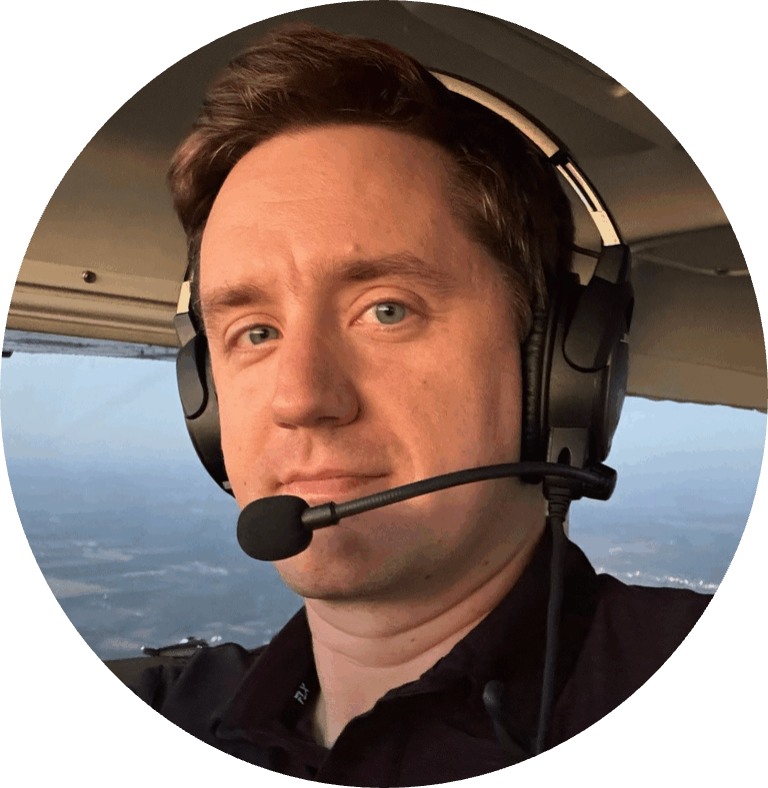
Ryan Koch
CFII, Director of Product Development
Ryan is responsible for the design and development of our new online training courses and pilot-friendly manuals, and oversees the course development team. He is also an active flight instructor specializing in instrument flight, is a flight simulator expert, and has experience doing remote flight instruction via simulators.
Ryan was the driving force behind the development of several PilotWorkshops online courses, including Instrument Rating Accelerator, IFR: The Missing Lessons, Garmin GTN: Next Level, and Advanced IFR. Ryan is also a contributing expert for PilotWorkshops’ IFR Mastery series and is a regular participant in the Instructor’s Roundtable. He teaches ground schools, runs ATC communications courses for both IFR and VFR pilots, and has developed curriculum for a variety of IFR proficiency programs, and a simulator-centered high school aviation program.
Frequently Asked Questions
A: Your training is available online via a secure, password-protected website. You can watch it on any computer, tablet or phone.
A: No. Once you register your login credentials, they will never expire. You will always have access to the program.
A: Yes, with your online access you have the option to download the videos in the program.
A: Yes – with your login info, you can access the site from any device as often as you want for personal use.
Reviews
Questions & Answers
What we offer




- Price:
- Actual Price: