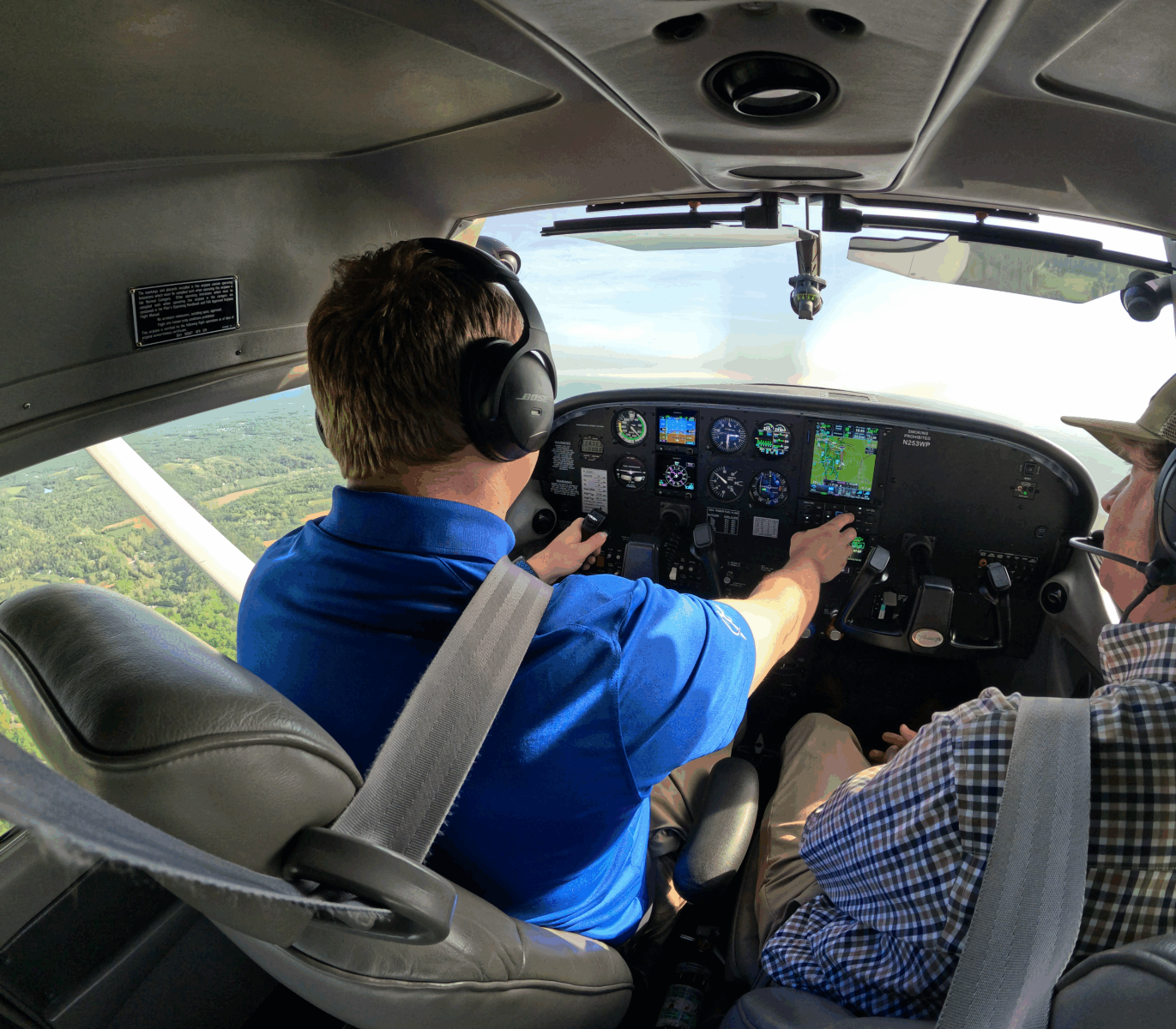
Turbulence is an unavoidable part of flying airplanes and can range from a minor annoyance to a significant challenge.
How dangerous is turbulence?
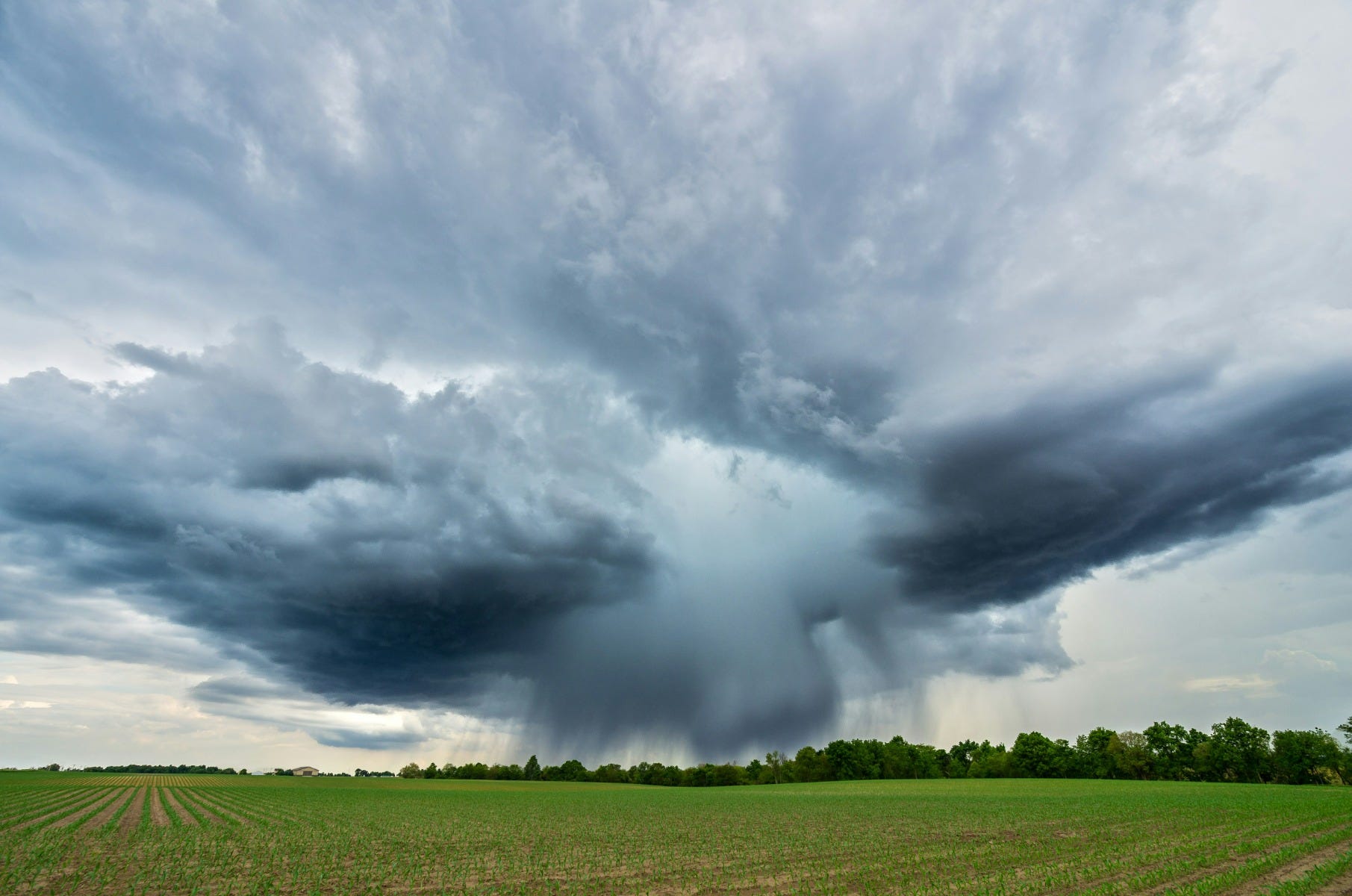
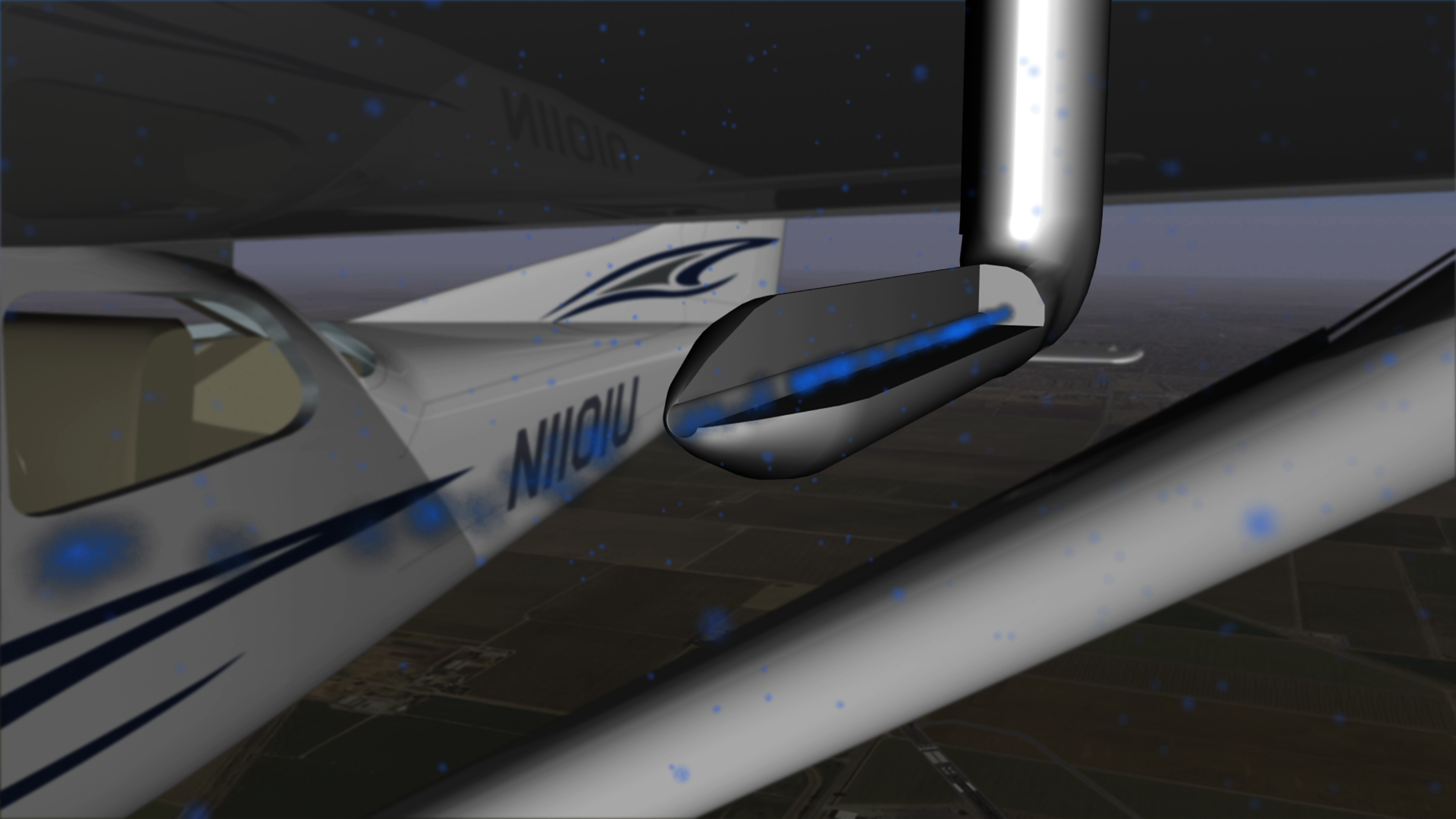
Turbulence occurs when an aircraft encounters any irregular air movement that causes changes in its flight path or attitude. It can result from ordinary surface heating, thunderstorms, mountain waves, or any abrupt changes in wind speed or direction.
Most turbulence encountered in everyday flying is relatively light. While more intense turbulence can make aircraft control challenging and create a risk of injury, an uncomfortable ride doesn't mean the airplane is in danger.
How can I anticipate and avoid turbulence?
The best way to avoid turbulence is to anticipate where and when it's likely to occur. A thorough preflight weather briefing can reveal potential trouble spots, including convective activity, frontal boundaries, and strong winds.
Pay particular attention to PIREPs, turbulence forecasts and of course, convective activity and communicate with ATC. A change in altitude or route may provide a smoother ride, so don't hesitate to request a deviation.
 What should I do if I encounter unexpected turbulence?
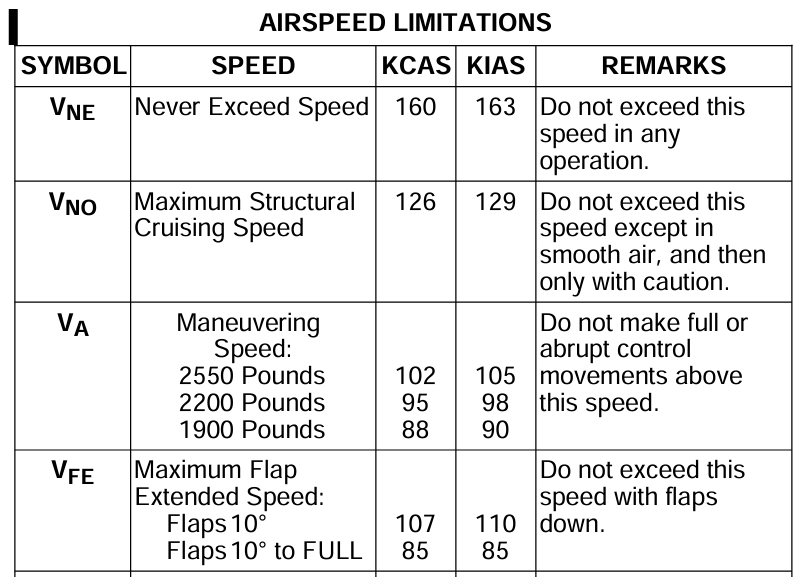
If you encounter turbulence, remember to aviate first—maintain positive control of the aircraft and avoid abrupt control inputs. Rather than trying to maintain an exact altitude through every bump, focus on maintaining a constant aircraft attitude and control. Follow the POH guidance including any published turbulence penetration airspeed. Or in the absence of a specific turbulence penetration speed, use maneuvering speed (Va).
Learn to find a smoother ride
You can't always avoid turbulence, but good preflight planning, weather awareness, and god in-flight decision-making can help minimize your exposure. In this video tip from Sporty's Learn to Fly Course, "How to Avoid Turbulence and Find a Smoother Ride," we'll look at some practical techniques pilots can use to anticipate turbulence and find more comfortable air.