
Starlink is appearing in more and more aircraft on our ramp, and for good reason: it works great. The Starlink Mini is the right combination of capability and size for smaller, general aviation aircraft. It’s not overly expensive, and the data plan required is reasonable. For comparison, business jets and commercial aircraft pay hundreds of thousands of dollars to install and tens of thousands of dollars for data.
Starlink Mini provides a high-speed internet connection wherever you may roam. Whether that is at 10,000 feet in a 182 or on a remote backcountry strip in Idaho, you’ll have full internet capabilities. Flight planning, whether, messaging/email correspondence, chart downloads/updates…Starlink Mini can make life easier.
But it is not without some negatives. By itself, the Starlink Mini will be hard to operate in the cockpit. You need to solve these 3 problems for seamless flight operation.
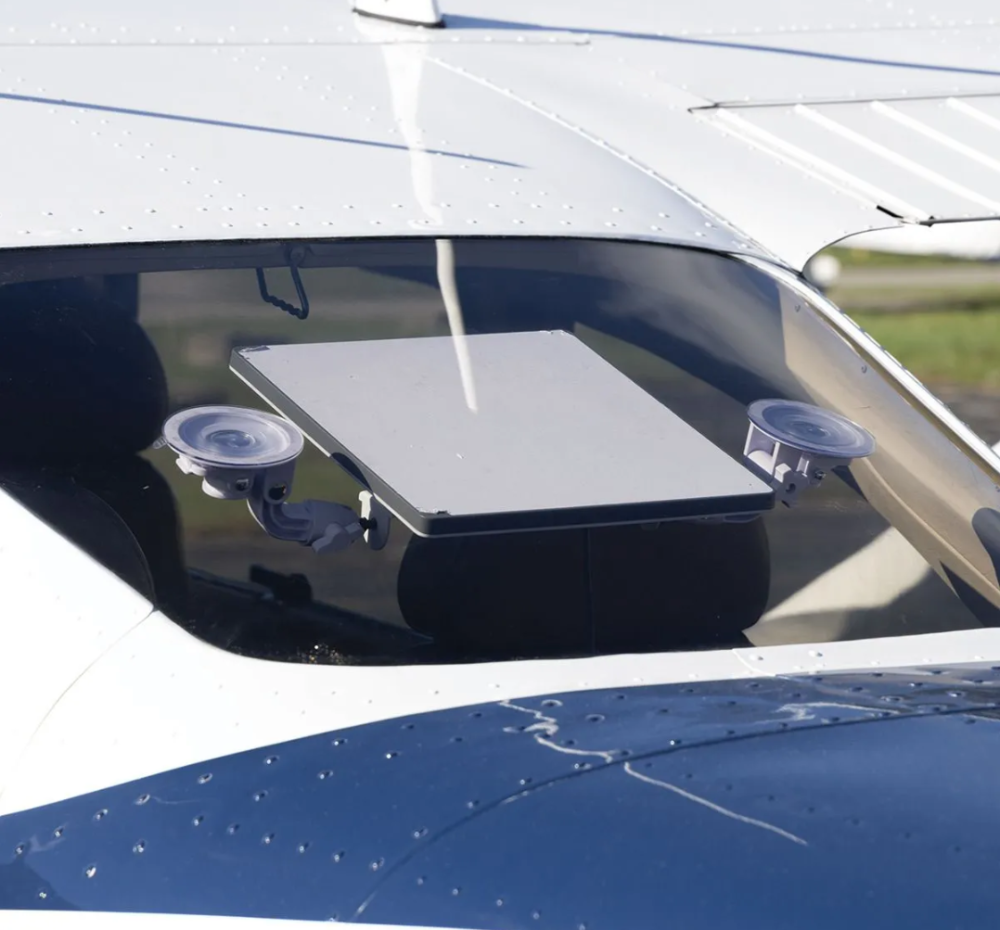
Mounting
Starlink needs to see the sky to establish satellite connections. Anything put in between Starlink and the sky can interfere with the signal. We’ve found that window mounting is the ideal solution. Bonus if that window is pointing directly up, like in a Cessna 182 or Cirrus SR22. Side windows aren’t ideal, as pointing Starlink at the horizon is not as good as pointing it directly up.
Power cable
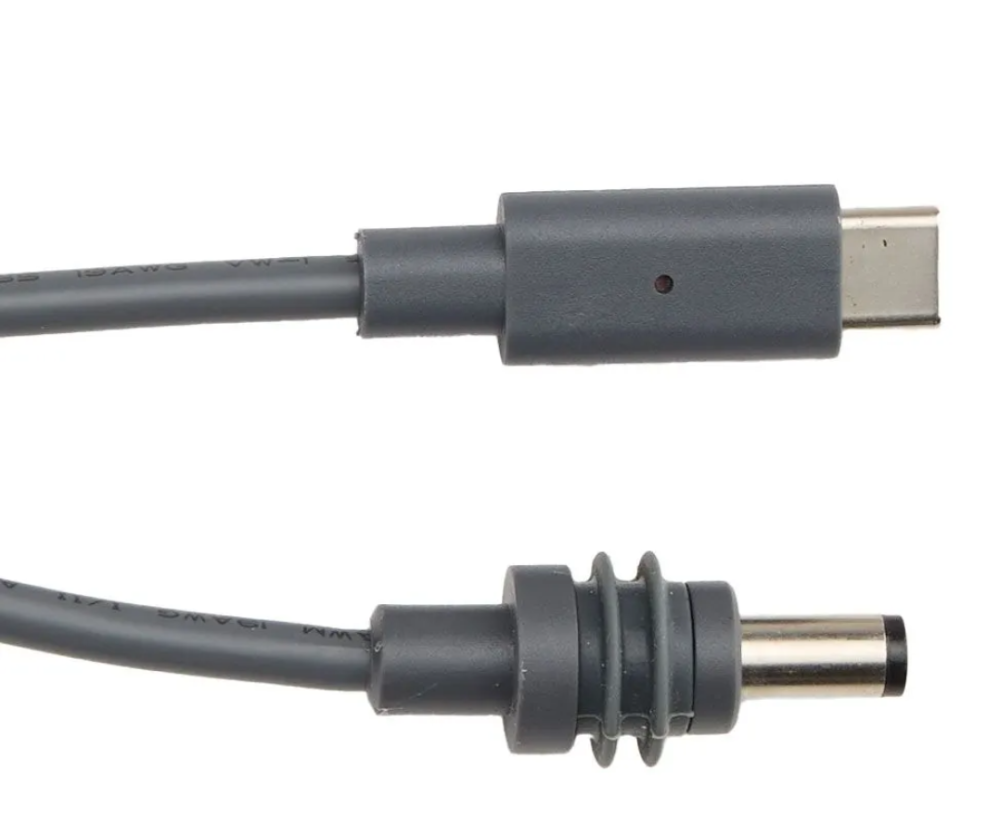
Starlink Mini has a specific DC plug input. There are also specific power requirements and not all cables are made equally. A specific USB-C to Starlink Mini DC plug is needed. The one we sell here is our favorite. Buy two, because you’ll end up losing one somewhere along the way.
Battery
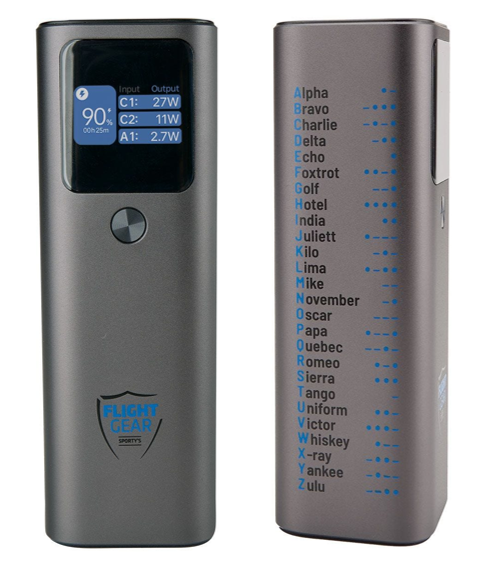
Starlink Mini requires juice, and a bit more juice than most devices in your cockpit. We prefer to use an independent power source when running a Starlink Mini. This means you are not drawing down ship power during operations, and you can more easily remove power to the unit in flight if needed.