
Airmanship 2.0 (PilotWorkshops)
FREE for a limited time!

In stock
Backordered
Airmanship 2.0: Pursuing Excellence In Flying
Four renowned flight instructors help you reach a higher level of flying proficiency.
The goal was simple…
We wanted to find out what pilots struggle with most, and give them fixes. We also wanted to help pilots assess their own flying, and improve. Most of all, we wanted to offer solid advice pilots can use to reach their personal next level.
To do this, we invited an all-star group of flight instructors to participate in a series of roundtable discussions and share their best flying secrets:
- Catherine Cavagnaro
- Dave Hirschman
- Wally Moran
- Doug Stewart

Combined, these instructors have delivered over 25,000 hours of dual instruction, in addition to holding these collective credentials:
- 2 are National Flight Instructor Hall of Fame inductees
- 2 are FAA National CFI of the Year winners
- 1 is an FAA Wright Brothers Master Pilot award winner
- 3 are Designated Pilot Examiners
Few pilots have the opportunity to learn from instructors of this caliber. This program gives you direct access to their decades of collective experience, advice and coaching (see more details below).
The recording sessions were moderated by our own Ryan Koch, and what came out of them was pure gold.
Popular Audio Format - Learn At Your Leisure
Airmanship 2.0 is delivered as an all-audio experience, since the topic is well-suited to this format. Now you can tap into the combined wisdom of these renowned flight instructors in a simple, easy-to-follow format.

Targets Specific Areas For Improvement
The Airmanship 2.0 course is organized by the topics listed below, and includes hours of expert advice. The roundtable format provides a valuable exchange between the instructors as they discuss common mistakes, simple fixes, useful techniques, funny stories and the most important lessons they’ve learned in their decades teaching pilots.
Part 1: Stick and Rudder as a Lifelong Discipline

The First 700 Feet
52 Minutes
From the initial application of takeoff power, through rotation, to the first turn on crosswind or out of the pattern, some pilots have positive control … and others are along for the ride. Learn how to fix common problems in this critical phase of flight.

The Last 500 Feet
62 Minutes
Let’s talk about the only mandatory flight maneuver: landings. Explore where pilots get sloppy, lazy, or just go wrong between the base-to-final turn and the moment when the airplane is ready to turn off the runway.
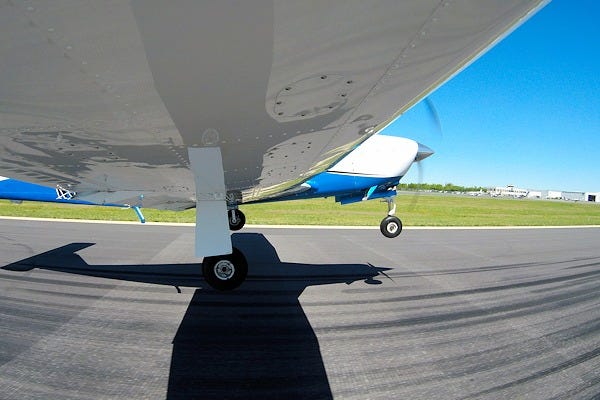
Issues with “The Feet”
22 Minutes
Many pilots have sloppy rudder technique (or none at all). See why pursing good technique matters—even If so many pilots routinely ignore the rudder and get away with it. Learn drills that help make coordination intuitive.
Part 2: The Journey from A to B

Go/No-Go and Continue/Stop
44 Minutes
Go/no-go decisions are hard. The decision to continue a challenging flight or end it is even harder because the pilot is already committed. There are ways for pilots to make better decisions when the balance between risk and reward isn’t obvious.

Busy Airports, Airspace, and ATC
26 Minutes
It’s said that if you understand the rules you can fly to any airport no matter how complex. That’s not how it actually feels in the real world. However, pilots can build a level of comfort so new airspace and airports feel like variations on familiar themes.

Traffic Patterns & Non-Towered Ops
41 Minutes
From pattern entries to best practices to self announce, there are few topics more contentious than pilot behavior in the traffic pattern—particularly at non-towered airports. Attention to a few essential details can maintain safety and help everyone get along.

Nighttime Hazards
30 Minutes
Flight at night, especially single-engine, brings special hazards. Pilots often overestimate some of the risks while underestimating others. If you choose to fly at night, there are ways to mitigate the risks and maximize the experience.

Non-Standard Runways
20 Minutes
The textbook training for short, soft, and non-standard runways is a poor match for what pilots encounter in the real world. Learn practical tips for the real deal and how to avoid the gotchas of tricky, unfamiliar airports.
Part 3: When Things Go Wrong
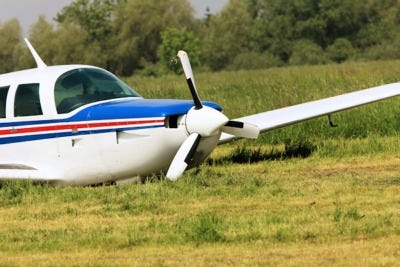
Engine Failures
74 Minutes
Some engine failures end in off-airport landings and others end in disaster. The difference can hinge on how pilots prepare for the potential event. Reviewing where pilots go wrong during engine-failure practice is step one in better outcomes.

Emergency Psychology
20 Minutes
All pilots train for emergencies, but you don’t know how you’ll react until you experience one for the first time. Learn what made the difference from the war stories of pilots who got ambushed by Murphy and lived to tell the tale.

Embarrassing Mistakes
34 Minutes
We’ve all seen video of pilots landing gear-up with the horn blaring in the background. Errors like this seem simultaneously unbelievable and inevitable. Hear the honest stories of mistakes that happened (or almost happened) and how you can prevent them.

Stalls, Spins, and Upsets
46 Minutes
Because spins aren’t required for private pilot training, most pilots have never experienced one. Examine the importance of actual spin, upset, or aerobatic training. Consider its utility even if you only experience it once.

Inadvertent IMC
25 Minutes
Inadvertent IMC continues to kill pilots. Much has been said about avoidance, but that’s no help for a pilot who ends up in the clouds despite the best intentions. Explore how traditional escape maneuvers stack up against these alternatives.
Part 4: Expanding Your Envelope
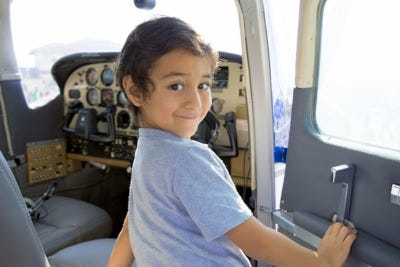
Passengers and Copilots
25 Minutes
A great first flight can spark a lifelong passion in another person. If handled poorly, it can scare someone off for good. Hear how the most experienced pilots conduct a first airplane ride or lesson, and how they chose to involve an experienced right-seater.

Checkride Traps
28 Minutes
Checkrides are stressful. Discover the mistakes examiners see again and again, the strategies that make checkrides successful, and the lessons that really should be taught better. Then see how all of that might apply to your next flight review.

Your Next Challenge
38 Minutes
Many pilots fly the same flights over and over and never expand their capabilities. Don’t fall into that trap. There are ways to break out from a flying rut and use “bucket-list” flights to make you a better pilot.