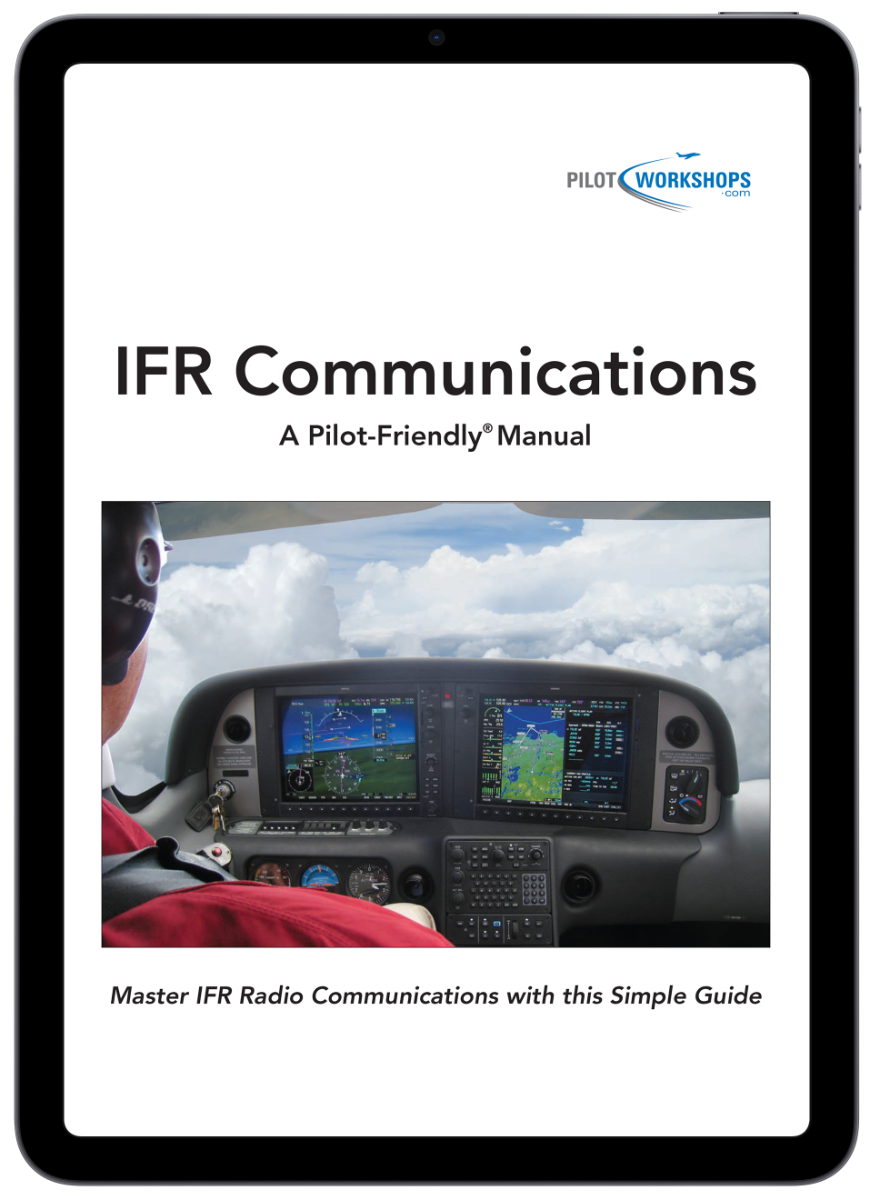
IFR Communications Manual (PilotWorkshops)
Free Shipping!
In stock
Backordered
If you feel intimidated by IFR communications, you’re not alone. The IFR system is complex, and the number of radio calls pilots must understand can be overwhelming. That’s a problem. There are instrument-rated pilots who avoid flying IFR altogether. Some pilots let mic fright prevent them from getting the instrument rating at all.
This IFR communications guide eases that pain by using the secret to IFR radio work: virtually all communications follow a script. Once you know the basic script, the variations become simple, and that’s how this book works.
Consider it a Field Guide to all the things IFR pilots and controllers say.
Features:
- Task-oriented format—what to say, when, and where
- AIM and FAA-approved radio phraseology
- Also the phraseology you’re likely to hear in the real world
- Table of contents to easily find what you need
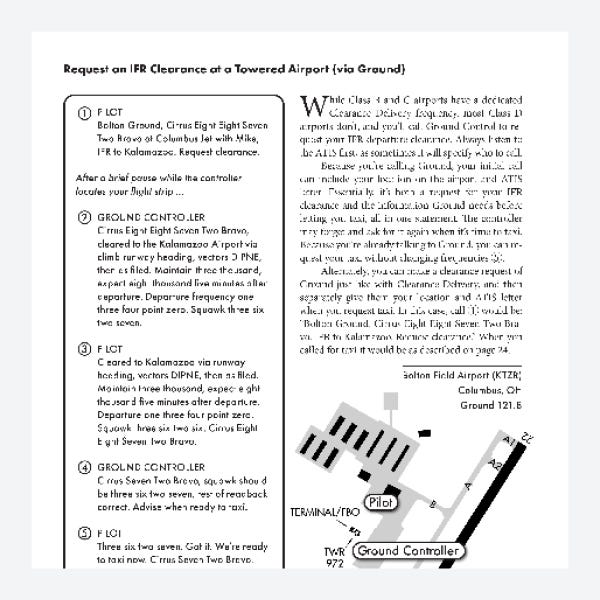
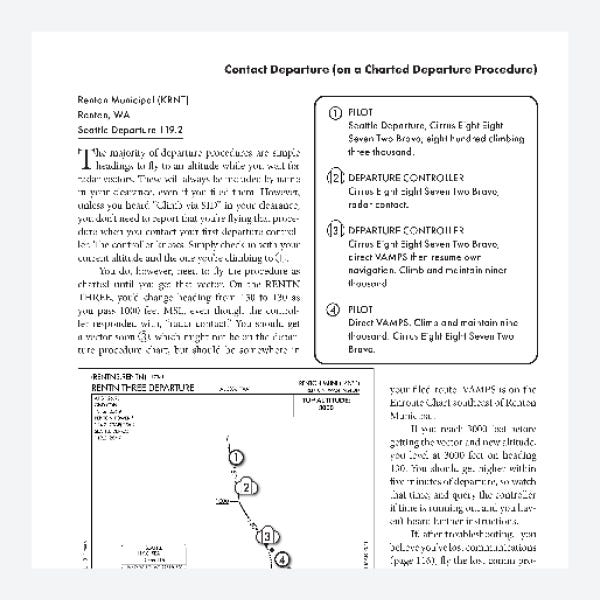
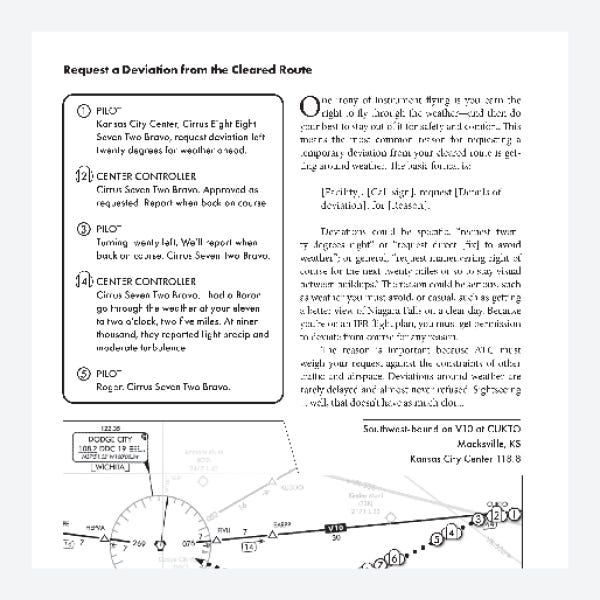
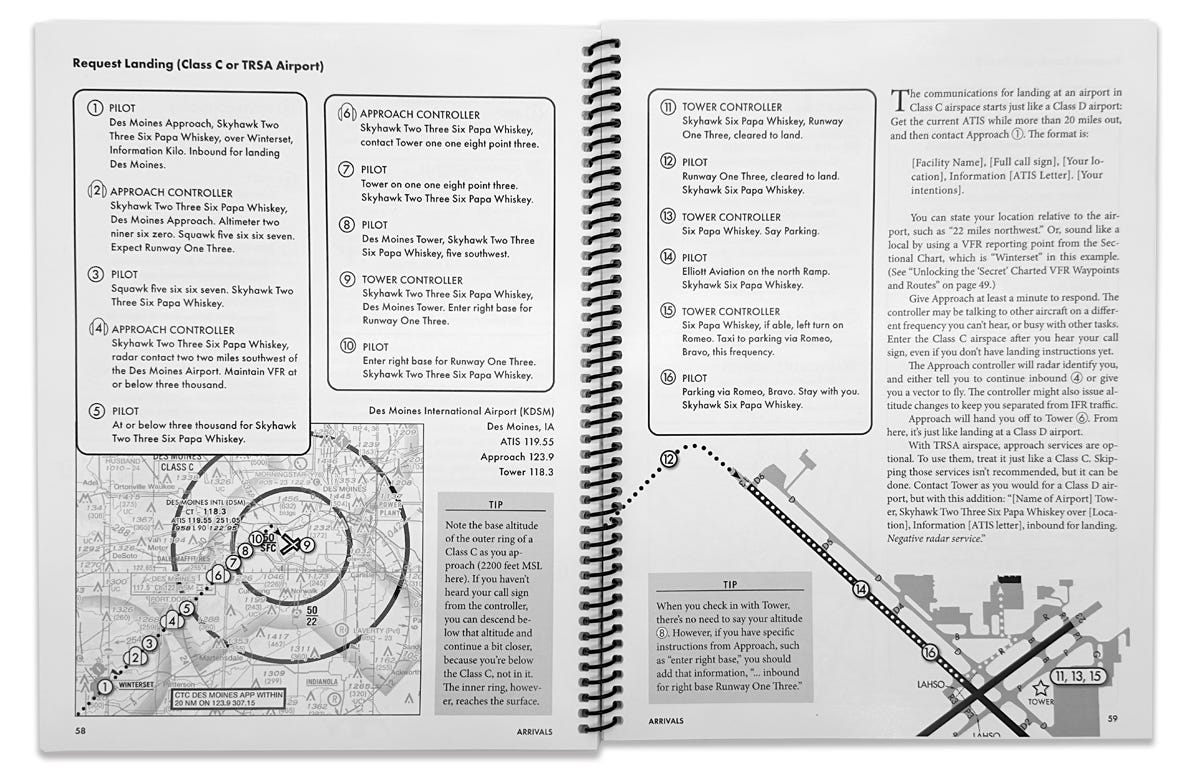
- Fully illustrated with IFR charts and airport diagrams
- Packed with advanced communications tips and techniques
- Digital manual looks great on an iPad; keep it in your EFB app for quick access
- Spiral-bound 8.5” x 11” printed manual for easy use in the cockpit
- Bonus videos will show you every radio call in action
The manual includes scripts of the most common, most useful, and most critical IFR radio communications, with examples of what ATC and the pilot say and where they are when they say it. Additional tips and details are provided in sidebar discussions throughout, along with variations of radio calls you will hear in the real world.
On complicated and evolving phraseology like “climb via” and “descend via,” the team at PilotWorkshops spoke directly with the FAA staff who wrote the official guidance, and with active controllers in the field.
They put this manual together so you know how it should be done—and understand the non-standard differences you’ll find in the real world.
For pilots of all levels
This Pilot-Friendly IFR Communications Manual helps you improve on the radio, regardless of your flying experience. Whether you’re just getting your Instrument Rating, or you’re an experienced pilot who still feels intimidated flying IFR, this simple guide gives you the confidence to do it right.
IFR Student Pilot
- Learn best practices on the radio; don’t develop bad habits
- Prepare for each lesson by learning what you need on that flight
- Improve fluency if English is your second language
Experienced IFR Pilot
- Brush up on radio skills that may have gotten rusty
- Review more complex situations before you encounter them in-flight
- Discover lesser-used requests that save you time and stress
CFII
- Demonstrate proper radio phraseology to students (and watch their confidence swell)
- Prepare students for their next lesson with specific radio scenarios
- Help your students feel more comfortable, from their first lesson to the check ride
Videos Show You How It’s Done
Some people learn better through reading, while others retain better by watching and listening. Either way, PilotWorkshops has you covered.
They created 82 short videos demonstrating each IFR radio communication in action. These videos are available in Sporty’s Pilot Training app, so you can watch them on your computer, tablet or phone. They help you gain a better understanding of where, when and what to say on the radio.
The videos use the same table of contents as the manual, so you can jump right to the video you need.
Comes with both formats
This manual is available on Sporty’s Pilot Training platform, so you can read the digital version online or on your tablet—alongside all your Sporty’s courses. Powerful reading tools are included, like highlighting, search, and bookmarks. Or download the PDF for easy reading on all your devices, with or without an internet connection. You might even leave the 8.5” x 11” spiral-bound book in your flight bag!
Digital (PDF)
- Quick and easy download
- Instantly available in Sporty's Pilot Training App
- Looks great on iPad

Printed Manual
- Spiral-bound 8.5” x 11” manual
- All the same features of the PDF
- Free shipping

How Well Do You Know Your Airplane's Engine
Finally, aviation books written for pilots, not lawyers! Fully illustrated with color photos and graphics, this Pilot-Friendly Manual from PilotWorkshops is much more than a quick reference guide—it dives deep into the finer points of airplane systems and procedures. Learn how to get the most performance, dependability and longevity from your engine with this plain English manual. It takes you under the cowl for a look at what’s really happening when you hit the starter.
This bag is loaded with custom pockets designed to all your gear. A padded headset pocket is large enough to fit most headsets without their case. A small slash pocket on the exterior of the headset pocket is perfect for a flashlight or fuel tester. The other end of the bag has a radio pocket for your backup hand-held transceiver and an expandable pocket for a water bottle. The front pocket is generously sized to fit most logbooks and has an organizer for pens and business cards.
Both formats for one price
Features
Ten platforms, one price
Get your written test endorsement
Pass all your tests—Guaranteed
FREE lifetime updates
Ask a CFI-talk directly to Sporty's Instructors
Approved Phraseology AND What You’ll Hear In The Wild
The manual includes scripts of the most common, most useful, and most critical IFR radio communications, with examples of what ATC and the pilot say and where they are when they say it. Additional tips and details are provided in sidebar discussions throughout, along with variations of radio calls you will hear in the real world. On complicated and evolving phraseology like “Climb Via” and “Descend Via”, we spoke directly with the FAA staff who wrote the official guidance, and with active controllers in the field. We put this manual together so you know how it should be done—and understand the non-standard differences you’ll find in the real world.
This Manual Helps IFR Pilots At All Levels
This Pilot-Friendly IFR Communications Manual helps you improve on the radio, regardless of your flying experience. Whether you’re just getting your Instrument Rating, or you’re an experienced pilot who still feels intimidated flying IFR, this simple guide gives you the confidence to do it right
- Learn best practices on the radio; don’t develop bad habits
- Prepare for each lesson by learning what you need on that flight
- Improve fluency if English is your second language
- Brush up on radio skills that may have gotten rusty
- Review things you aren’t sure of before you encounter them in-flight
- Discover lesser-used requests that save you time and stress
- Demonstrate proper radio phraseology to students (and watch their confidence swell)
- Prepare students for their next lesson with specific radio scenarios
- Help your students feel more comfortable, from their first lesson to the checkride
Frequently asked questions
The tasks covered are applicable to most conventional piston aircraft engines. Where necessary, some tasks will provide model specific instructions (i.e. Lycoming, Continental, Rotax) or type specific instructions (i.e. high-performance, turbocharged, fuel injected, etc.) if they are different.
The digital manual is delivered in PDF format and works on any computer or mobile device.
Yes, the digital PDF is formatted for use on your iPad and can be downloaded in a few easy steps.
The printed manual is 8.5 x 11 inches, so it will fit in most flight bags or in the seat pocket of your airplane. It’s printed on high quality, durable paper. We take the extra step of adding a spiral binder so it’s easier to open and use in the cockpit, and we top it with a clear plastic cover to protect it from weather and spills.
We use the US Postal Service to mail all USA orders, and they typically arrive within 5 business days. International orders usually arrive within 10 business days (can be longer in some countries). If you order the printed manual, you’ll also get the digital version, which you can download and start using right away.