Pilot's Discretion Podcast, episode 142
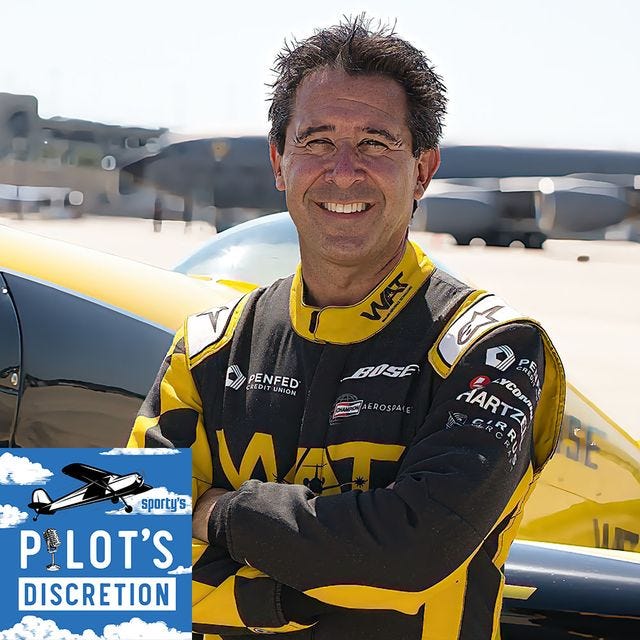
Buying aircraft insurance can often feel like an opaque, frustrating process of filling out paperwork and bracing for rate hikes. In this episode Doug Tibbs, managing director at 5X5 Aviation Insurance and a former business jet pilot, pulls back the curtain on how aircraft policies are actually quoted. He explains the critical difference between brokers and underwriters, how real-time flight data is shaking up the industry, and the exact steps aircraft owners can take to lower premiums. Doug also shares colorful stories from his years in corporate aviation, including candid thoughts on crew resource management, single-pilot safety, and memorable passengers. In the Ready to Copy segment, you’ll hear how many hours is too few for insurance, why claims happen outside of accidents, and what his dream airplane is.
Listen online:
Listen on your favorite app:
Quotes:
- Brokers vs. underwriters: "Broker represents me, underwriter judges me."
- How often should pilots shop their policies: "What I typically recommend to people is try to shop every three years, unless there's significant changes going on in the world or in the market"
- Making your application stand out: "The application is a very powerful tool that people don't put enough emphasis in... The more you as an aircraft owner can express why you're different than your peers, the better opportunity you're going to have for lower rates, higher liability limits, and better coverages."
- How technology is replacing manual underwriting: "When I first started in the business 25 years ago, an underwriter was looking at every piece of paper... while that does still happen today, your light aircraft, your single engine pistons, multi-engine pistons, and even some single engine turboprops, a lot of that is all automated now."
- What’s driving insurance premiums: “we have more insurance companies writing aviation today than we've probably ever had in the existence of aviation insurance.”
- Using flight data to eliminate subjectivity: "If I'm having a bad day, I could quote a completely different rate versus if I'm having a good day. And it's so subjective that way. And what the data allows is to remove some of that emotion from the underwriting."
- The key difference between pro-flown business jets and owner-flown: “I really think the airplane isn't the difference. It's more the system.”
- Why two pilots aren’t always better than one: "I've had a lot of people over the years say, 'I'm just gonna get a warm body to put next to me.' I think that's worse than doing it by yourself... If you're gonna run a two crew, you run it like it's a proper two crew environment."
- Is total time or time in type more important? "I will take the low time, higher time-in-type pilot more times than not."
- Hidden claims that drain insurance reserves: "Hail damage is frequent and significant. FOD, especially in turbine aircraft, is frequent and expensive. And lightning strikes. Those three crush insurance companies and have them stop writing business."
- Advice for new corporate pilots: “Listen and ask questions [during] pre- and post-flight briefings. If you do those things, you'll have success and you'll be safe.”
Links:
Learn more:
Listen to every episode of Pilot's Discretion here
Have a question or comment? Email us: podcast@sportys.com