Pilot's Discretion Podcast, episode 135
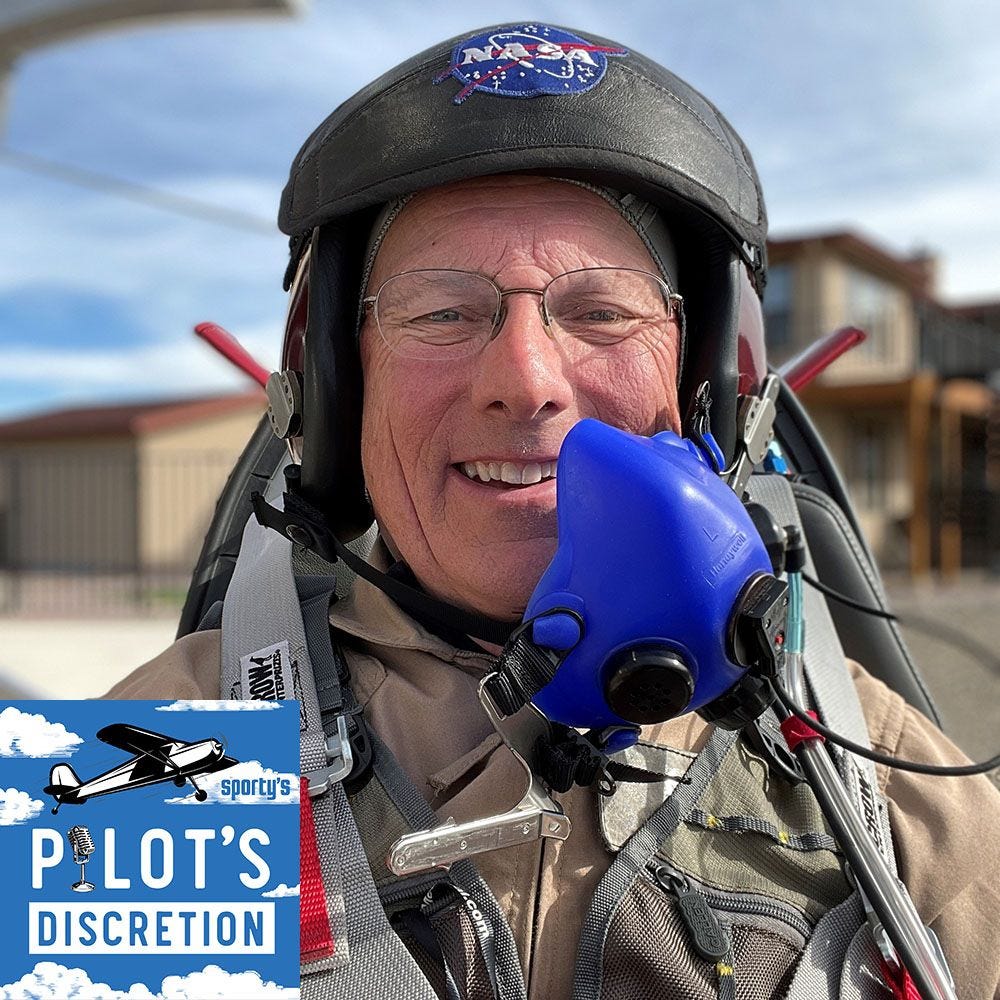
Learning to fly seaplanes is a ton of fun, but Steve McCaughey from the Seaplane Pilots Association says it also improves your stick and rudder skills dramatically. He explains what you learn as a seaplane pilot, why amphibs have changed the industry, and his personal rules for safety gear. Steve also discusses the work of the SPA and how pilots can get involved in their local communities. In the Ready to Copy segment, Steve talks about flying antique seaplanes, the differences between flying boats and floatplanes, and his tips for making great aviation videos.
Listen online:
Listen on your favorite app:
Quotes:
- The joy of flying seaplanes: “we get to go places and experience things that many people don't even realize exist—we go beyond where the roads end.”
- Why every day is different on the water: “We're making decisions on the fly at a very rapid rate, especially when we're coming into a landing zone… Our runway is moving.”
- The responsibility of mixing with boats: “as seaplane pilots, we're going to take 100% responsibility for avoiding conflicts on the water.”
- Landing on a remote lake: “if we successfully land and taxi into a shoreline or a dock, one of the things we'll recommend is that you use that same path out. It worked coming in.”
- The biggest challenge for transitioning landplane pilots: “right now what we see is, more than anything, just that lack of basic stick and rudder skills.”
- What it’s like to land an amphibious seaplane on a runway: “like landing a shopping cart”
- Preventing gear-down water landings: “what you learn first, you learn deepest. And if you burn in habits of flying straight floats, you're not necessarily getting into the habit of what we need to use as amphib pilots.”
- The importance of safety gear in a seaplane: “You'll never fly in a seaplane with me without one on. I will never fly with you without a personal flotation device on.”
- Training with survival gear: “you never learn how to use your survival equipment when you need it. You have to know and be very well versed in its use before you need it.”
- How safe seaplanes can be: “the safest airline in history, Chalks Airways, operated from 1927 to 2005. And they never had a boat-on-airplane contact situation. They never had any injuries.”
- The limited impact of seaplanes on the wilderness: “we have zero footprint. If we go to our remote lake and pull up on a shoreline, the only evidence we're there are two small lines from the keel of our hulls in the beach.”
- Flying seaplanes on Lake Como: “it is incredibly beautiful and yet you have this deep, deep appreciation for the history. Again, it's the oldest seaplane base operating in the world—it's operated since 1913.”
Links:
Learn more:
Listen to every episode of Pilot's Discretion here
Have a question or comment? Email us: podcast@sportys.com